Island Spear Co.

Gear guides Beginner Spearfishing Gear List

Spearfishing Gear List for Beginners: Everything You Need to Start

The complete what-you-need-to-start checklist — mask, fins, wetsuit, weapon, and the safety gear that isn't optional — with links to every buyer's guide.

4 picks across 2 tiersReviewed July 7, 2026

If you're new to spearfishing, the gear can look overwhelming — but the starter list is actually short, and you don't need to buy the expensive version of anything to begin. This is the complete what-you-need-to-start checklist: the essentials that get you hunting, the safety gear that genuinely isn't optional, and honest guidance on what to spend and what to skip.

One thing before any of it, because it's the advice experienced spearos give beginners more consistently than any gear recommendation: take a level 1 freediving course first. A weekend course teaches you safe breath-hold technique, buddy rescue, and how shallow-water blackout works — knowledge that matters more than anything you can buy on this page. Gear makes you comfortable; training keeps you alive.

Think of this page as the hub. Each item below links to a full, standalone buyer's guide if you want to go deeper on how to choose it. As with everything on Island Spear Co: we launched in 2026 and have not physically tested this gear; our picks are curated from published specs, brand reputation, and community consensus, with no paid placement — and we'll always tell you when something is optional.

Do this before you buy anything

Step one: check your local rules

Before you spend a dollar, find out what's legal where you'll dive. Spearfishing rules vary enormously by state and territory: which weapons are allowed (some places permit pole spears but ban spearguns, or the reverse), whether you need a fishing license, seasons, size and bag limits, protected species, no-take marine zones, and dive-flag requirements. Read your state's spearfishing regulations first — it shapes what weapon you should even buy, and it's a five-minute check that saves an expensive or illegal mistake.

The core kit

The essentials that get you in the water

Mask and snorkel

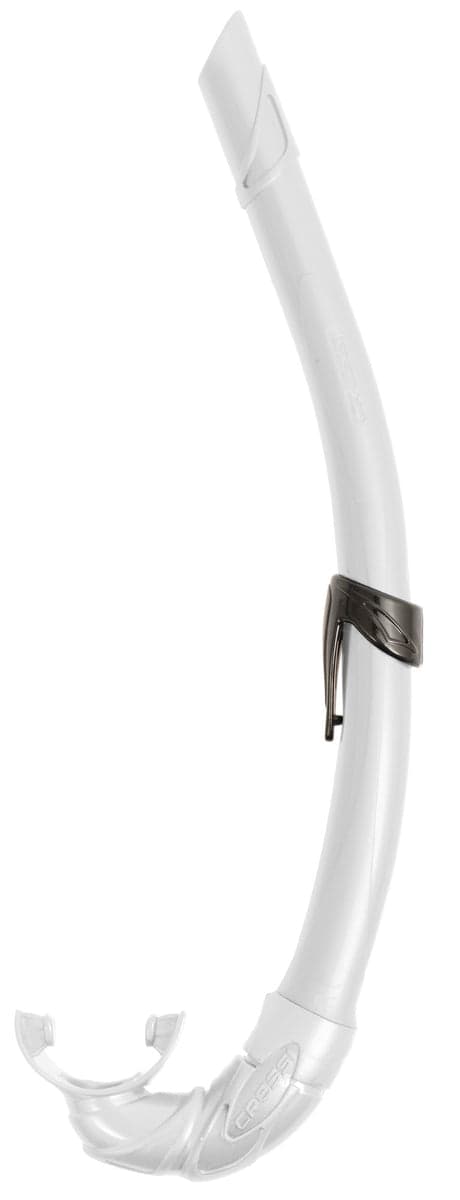
A low-volume freediving mask and a simple snorkel are step one. Low volume matters because you spend less breath equalizing the mask at depth, and the mask must actually seal on your face. Our best freediving mask guide covers the suction fit test and why volume matters; pair it with a plain J-shaped snorkel (skip the fancy purge valves).

Fins

Long freediving blades move you to depth on far less oxygen than scuba fins. Start with a stiffness matched to your body and water — usually soft-to-medium — and in plastic or fiberglass rather than carbon. See the best freediving fins guide for choosing stiffness and material without overspending.

Wetsuit

A wetsuit keeps you warm enough to stay relaxed and dive well; warmth is the whole point. Thickness is set by your water temperature (thicker than a scuba diver would wear), and open-cell is warmer while lined is easier to don. The spearfishing wetsuit guide has a full water-temperature-to-thickness chart.

Weight belt (with quick-release)

A wetsuit floats, so you need weight to dive comfortably — but this is also safety gear. Use a rubber freediving belt with a quick-release buckle you can ditch one-handed in an emergency, and get weighted properly (only enough to be neutral around 30 feet, never so heavy you sink). Under-weighting is safer than over-weighting; err light.

Your weapon: pole spear or speargun

This is the fun decision, and it depends on budget and local law. A pole spear is the cheapest honest entry and teaches you to get close; a speargun offers more range and power for more money. Many beginners start with a pole spear and move up — but always buy the weapon that's legal where you dive.

Not optional

Safety gear you shouldn't skip

Dive float and flag

A surface float does three jobs: it marks your position so boats can see and avoid you (a dive flag is legally required in many places), it gives you something to rest on, and it can carry your catch and a spare rig. For most beginners a float and float line is safer than a reel. This is core safety gear, not a luxury.

Dive knife or line cutter

Discarded fishing line, net, and kelp can tangle a diver, which is dangerous on a breath-hold — so you carry a knife or cutter to get free. It's a safety tool, not a weapon; a small, sharp, corrosion-proof blade (often a blunt tip) mounted within reach of either hand, ideally with a backup cutter. The dive knife guide explains blunt vs pointed and where to mount it.

A dive buddy

The most important safety item costs nothing: never dive alone. Shallow-water blackout can happen without warning to fit, experienced divers, and it's survivable only if a buddy is watching. Dive one-up-one-down (one diver down while the other watches from the surface) and learn the basics of freediving safety before you chase depth.

What to spend

A realistic starter budget

You can assemble a genuinely capable beginner kit without top-tier prices. The honest advice is to buy mid-range where it affects safety and comfort (mask fit, wetsuit warmth, a quick-release belt, a good float) and start cheap where you'll learn and possibly change your mind (your first weapon, plastic fins). Don't buy carbon anything, don't buy the longest speargun, and don't skip the float and knife to afford a fancier gun.

  • Spend on: a mask that seals your face, a wetsuit thick enough for your water, a quick-release weight belt, and a dive float with a flag. These are comfort and safety, and they last.
  • Start cheap on: your first weapon (a fiberglass pole spear or an entry band railgun) and plastic fins. You'll learn what you actually want by using them.
  • Skip for now: carbon blades, ultra-premium spearguns, mirrored mask lenses, and gadgets. Add them later if you stick with the sport.

And the budget advice the community gives most often, even though it costs an affiliate site like us a commission to repeat: buy used where you can. Facebook Marketplace and local dive clubs are full of lightly used spearguns, wetsuits, and floats from divers who upgraded or moved on — often at half price. A used gun with fresh bands or a well-kept second-hand wetsuit is a genuinely smart first buy; if the sport doesn't stick, you've lost little.

The common question

Pole spear or speargun first?

If you're undecided, a pole spear is the lower-cost, lower-risk way to find out whether spearfishing is for you, and it builds the stalking skills that make you effective with any weapon. A speargun gives more reach and power but costs more and adds mechanism. Read both — the pole spear guide and the speargun guide — and let your budget and, above all, your local regulations decide.

The recommendations

Beginner safety gear and basics

These are real, widely respected models chosen for the reasons noted on each card — brand reputation, parts availability, and how often each comes up in beginner discussions. We haven’t tested them; treat each link as a starting point for your own research, and check current price and the exact length that fits your water.

Safety kit

~$40–140

The gear that keeps you safe and legal — a quick-release weight belt and a dive float with a flag.

Safety · quick-release~$20–45

Rubber Weight Belt with Quick-Release Buckle

A rubber freediving belt with a Marseillaise-style quick-release buckle is the safe standard: rubber stays put on a compressing wetsuit, and the one-hand release lets you ditch weight instantly in an emergency. Get weighted properly (neutral around 30 feet, never sinking) — this is a safety item, so don't cheap out on the buckle.

Safety · required in many areas~$30–100

Spearfishing Dive Float and Flag

A surface float with a dive flag marks you for boat traffic (often a legal requirement), gives you a rest point, and can carry your catch and a spare rig. For beginners a float and float line is safer than a reel. Core safety gear — confirm the exact flag your area requires in your local regulations.

Fill-in basics

~$25–90

Small pieces that round out a starter kit — a simple snorkel and a pair of gloves.

Basics · cut protection~$20–55

Dyneema Spearfishing Gloves

Gloves protect your hands from reef, stings, spines, and fish handling — and the spearo standard the community recommends over and over is Dyneema: cut-resistant fiber that shrugs off gill plates and dorsal spines that shred plain neoprene. Expect to go through a pair a season regardless; that's normal. In cold water, layer a thin neoprene glove for warmth — in warm water, Dyneema alone is the working choice.

Some links are affiliate links — Island Spear Co may earn a commission at no extra cost to you. We only point you to gear with a real reputation among divers — and we tell you plainly we haven’t bench-tested it.

Before you buy

Check your local rules first

Rules shape your whole kit

This is the one guide where the rules come first, not last: which weapon is legal, whether you need a license, seasons, limits, protected species, and dive-flag requirements all vary by location and decide what you should buy. Read your state's spearfishing regulations before you assemble your kit.

Learn from these

Common beginner mistakes

Buying the weapon first and skipping safety gear

New divers often blow the budget on a speargun and skip the float, flag, quick-release belt, and knife. Reverse that priority: safety gear isn't optional, and a float with a flag is what keeps a boat from running you over.

Over-spending before you know you'll stick with it

Carbon fins, a premium speargun, and every gadget add up fast — and you might discover the sport isn't for you, or that you want different gear once you've dived. Start mid-range on safety and cheap on your first weapon, then upgrade with experience.

Diving over-weighted

Too much lead makes you sink, which is dangerous and tiring. You want to be neutral or slightly positive near the surface and only sink at depth. Under-weight rather than over-weight, and always use a quick-release belt so you can ditch weight in an emergency.

Not checking regulations or dive-flag law

Legal weapons, licenses, seasons, limits, and dive-flag rules vary by location, and ignorance isn't a defense. Confirm your state's spearfishing regulations before you buy gear or get in the water — it even determines whether a speargun or pole spear is your legal option.

Diving alone

The deadliest mistake in the sport. Shallow-water blackout strikes without warning and is survivable only with a watching buddy. Never dive alone, dive one-up-one-down, and learn basic freediving safety before you push depth or breath-hold time.

Quick answers

Frequently asked questions

What gear do I need to start spearfishing?
The essentials are a low-volume mask and simple snorkel, long freediving fins, a wetsuit thick enough for your water, a quick-release weight belt, and a weapon (a pole spear or a speargun). The non-negotiable safety gear is a dive float with a flag, a dive knife or line cutter, and a buddy. You can start with mid-range essentials and a cheap first weapon.
How much does it cost to get into spearfishing?
You can assemble a capable beginner kit without top-tier prices by spending mid-range on safety and comfort (mask, wetsuit, quick-release belt, float and flag) and starting cheap on your first weapon and plastic fins. Skip carbon gear, the longest speargun, and gadgets at first — add them later if you stick with the sport.
Do I need a speargun to start, or can I use a pole spear?
You can absolutely start with a pole spear — it's the cheapest entry, it's simple, and it teaches you to get close, which is the core skill. A speargun gives more range and power for more money. Many beginners start on a pole spear and move up later. The deciding factor should be your budget and, crucially, which weapon is legal where you dive.
Do I need a dive flag or float?
Yes — for both safety and, in many places, the law. A surface float with a dive flag marks your position so boats can see and avoid you, gives you a rest point, and can carry your catch. Requirements for flag type and distance vary by location, so check your local regulations, but treat a float and flag as core safety gear either way.
The short version: check your local rules first, buy essentials that fit and keep you warm, never skimp on the float, flag, knife, and a dive buddy, and start cheap on your first weapon so you can learn what you actually want. Do that and you'll be safely hunting for a fraction of what the sport looks like it costs.

Go deeper on each piece with the mask, fins, wetsuit, pole spear, speargun, and dive knife guides — and, before anything else, read your state's spearfishing regulations.