- Do I actually need a dive knife for spearfishing?
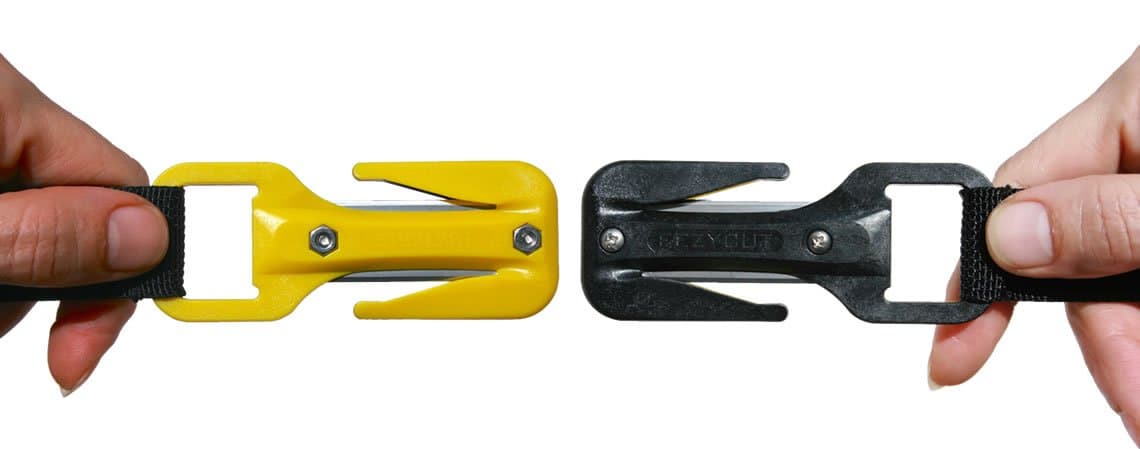
- Yes — as safety gear. Its main job is cutting you free from fishing line, net, kelp, or your own float line, which is a real and dangerous risk on a breath-hold dive. Think of it as entanglement insurance you hope never to use, and consider carrying a small dedicated line cutter as a backup too.
- Should I get a blunt tip or a pointed tip?
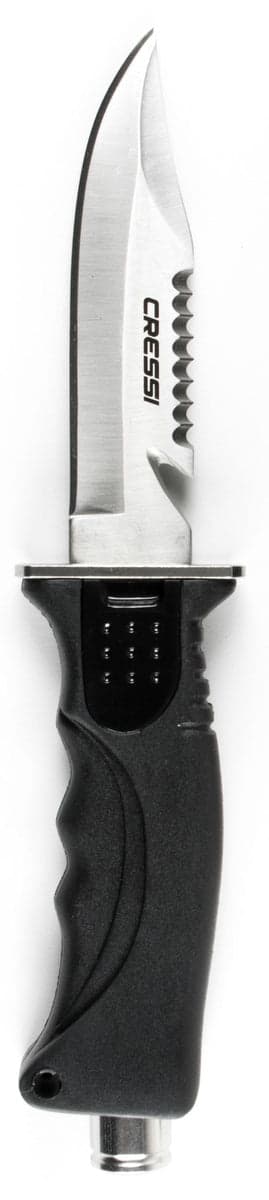
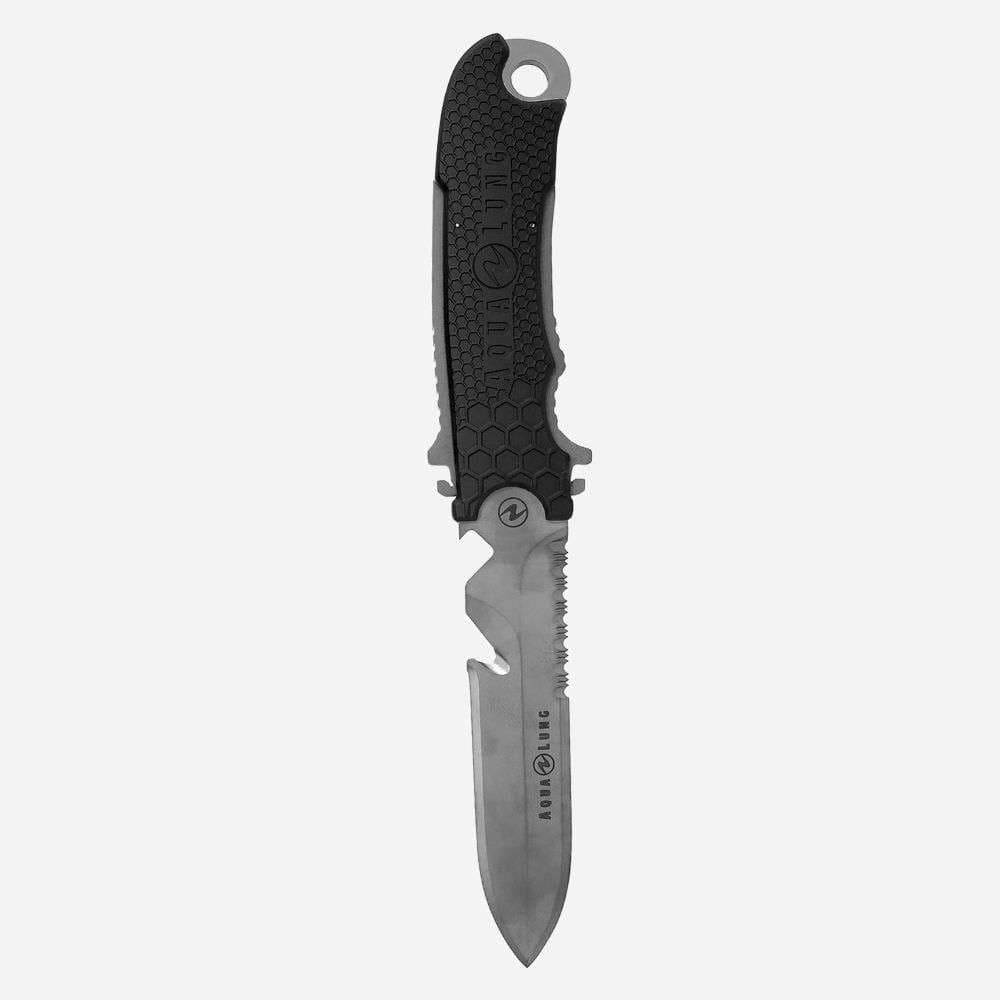
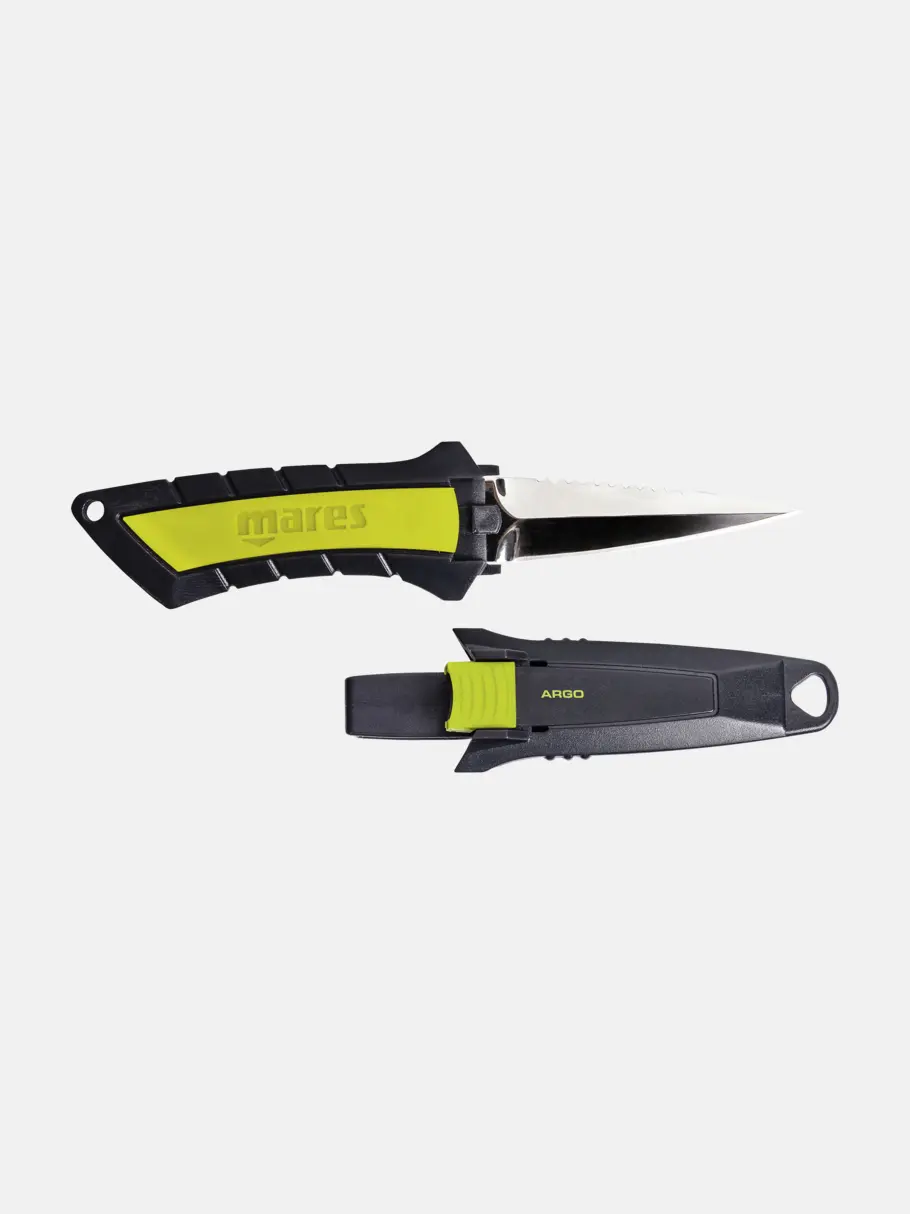
- For a pure safety knife, a blunt (chisel) tip is the lower-risk choice — it cuts line and rope just as well and pries fine, without the risk of accidentally puncturing your wetsuit, a buddy, an inflatable, or yourself while cutting free in a hurry. But for most hunters a point is the norm, because spearos typically dispatch a landed fish quickly and humanely with the knife's tip (iki jime). If your knife will also be your dispatch tool, choose the point and handle it with discipline; if it's purely entanglement insurance, go blunt.
- Is a dive knife for fighting or landing fish?
- Not for fighting, no — a dive knife is an entanglement and safety tool first. Its legitimate second job is dispatch: most spearos iki jime a landed fish quickly and humanely with the knife's point (some carry a dedicated spike instead). Buying the knife for the safety job still leads you to the right size and mounting; the dispatch job is what argues for a pointed tip.
- Titanium or stainless — which material is better?
- Stainless (420-grade) is affordable and easy to sharpen but will corrode if you don't rinse it; titanium is rust-proof, light, and low-maintenance in saltwater but costs more and can be harder to get razor-sharp. If you'll diligently rinse and dry your gear, stainless is fine; if you want to forget about corrosion, pay for titanium.