Island Spear Co.

Gear guides Best Freediving Fins

Best Freediving Fins for Spearfishing: An Honest Buyer's Guide

Long-blade fins move you farther on less air. How to choose blade stiffness for your weight and depth, and when plastic beats carbon.

6 picks across 3 tiersReviewed July 7, 2026

Fins are the one piece of spearfishing gear that pays you back on every single dive. Long freediving blades move a huge column of water with a slow, relaxed kick, so you cover ground and drop to depth on far less oxygen than the stubby fins you'd use for scuba. For a breath-hold hunter, that efficiency is everything — it's more bottom time and a calmer, quieter approach on the fish.

The catch is that "more expensive" is not the same as "better for you." The right fin is the one whose blade stiffness matches your body and your diving, and whose foot pocket actually fits. This guide explains how to pick that, then points to real, well-regarded models across materials and budgets. As with everything on Island Spear Co: we launched in 2026 and have not physically tested this gear — these picks are curated from published specs, brand reputation, and community consensus, with no paid placement.

The community's #1 rule

Foot pockets first — fit before blades

Before stiffness, before material, before brand: the single most repeated piece of fins advice from experienced spearos is that foot pockets make or break a fin. "Different foot pockets fit different feet" is the community's rule number one, because a blade only performs if the pocket transmits your kick without slipping or crushing your foot. Buy the pocket that fits your foot, and the blade decision gets much easier — get pockets that fit well and accept a range of blades and you're set for years.

Freediving pockets are meant to be worn over neoprene socks, both for warmth and to prevent blisters, so size to fit over the ~1.5–3 mm socks you'll actually wear — often a size up from your street shoe. And an honest note from an affiliate site: for fit items like foot pockets, a local dive shop where you can try them on beats ordering from Amazon. The advice and the fit check are worth the few extra dollars.

Many modern fins use an interchangeable-blade (modular) system: the foot pockets stay, and the blades slot in and can be swapped later for a different stiffness or material. For a beginner that's a smart hedge — start with an affordable plastic or fiberglass blade, keep the pockets, and upgrade the blade once you know your kick and your water instead of buying a whole new fin.

The first decision

Why long blades, and what actually changes

A freediving fin is essentially a long, tapered lever bolted to a comfortable foot pocket. The extra length lets you move water slowly and smoothly instead of thrashing, which is more efficient and — just as important for spearing — far quieter. Compared with scuba or snorkel fins, a good long blade gets you to the bottom faster with less effort and lets you hang and stalk without spooking fish.

Three things separate one long blade from another: how stiff the blade is, what it's made of, and how the foot pocket fits your foot. Get those three right for your body and your water and you'll out-dive someone who spent twice as much on the wrong stiffness.

The choice that matters most

Blade stiffness by diver weight and depth

Blade stiffness (soft / medium / hard) is the single most important spec, and it's the one beginners most often get wrong by buying too stiff. A stiffer blade returns more power per kick but demands more from your legs; too stiff and you'll cramp, burn oxygen, and tire fast. Too soft and a strong diver in a thick suit will feel like they're kicking through cooked spaghetti. The goal is a blade matched to the total load your legs push against — which rises with your body weight, your leg strength, how much lead you carry, how thick your wetsuit is, and how deep you go.

  • Soft: lighter or newer divers, thin (tropical) wetsuits, shallow reef and flats work, or anyone prone to calf cramps. Easy on the legs, forgiving technique. A very sensible beginner choice.
  • Medium: the all-round default for most divers of average build in moderate suits and depths. If you're unsure, this is the safe pick — it flatters a developing kick.
  • Hard / stiff: heavier or strong divers, thick cold-water suits with lots of lead, deep drops, or fighting current. Powerful but punishing if your legs aren't ready — not a beginner default.

Honest rule of thumb: when in doubt, go one step softer than you think. A blade you can kick relaxed all day beats a stiff one that cramps you out after an hour. You can always stiffen up later — especially with an interchangeable-blade system.

What the blade is made of

Plastic vs fiberglass vs carbon

Plastic (thermoplastic / techno-polymer)

The standard starting material, and a genuinely good one. Plastic blades are inexpensive, nearly indestructible, and shrug off banging into rocks and boat decks. They're heavier and less "springy" than composite blades, so they return a bit less energy per kick — but for a new spearo learning technique in shallow-to-moderate water, that durability and low price are exactly right. Most divers should start here.

Fiberglass

The sweet-spot upgrade. Fiberglass blades are lighter and more reactive than plastic — noticeably more efficient — while staying far tougher than carbon. They flex and snap back with good energy return and tolerate the odd rock strike without shattering. For a diver who knows they're committed and wants more out of each kick without babying their gear, fiberglass is the value pick.

Carbon fiber

The lightest, springiest, most efficient blades made — and the most expensive and most fragile. Carbon returns energy beautifully and shines on deep dives and long swims, but a hard strike on rock or a careless step can crack it, and it needs care in transport and storage. It rewards a diver who already has solid technique and knows their preferred stiffness. It's the wrong first purchase for almost everyone.

The recommendations

Well-regarded freediving fins by material and budget

These are real, widely respected models chosen for the reasons noted on each card — brand reputation, parts availability, and how often each comes up in beginner discussions. We haven’t tested them; treat each link as a starting point for your own research, and check current price and the exact length that fits your water.

Plastic — start here

~$60–170

Tough, affordable long blades that forgive a developing kick and survive real reef abuse.

Plastic long blade~$100–160
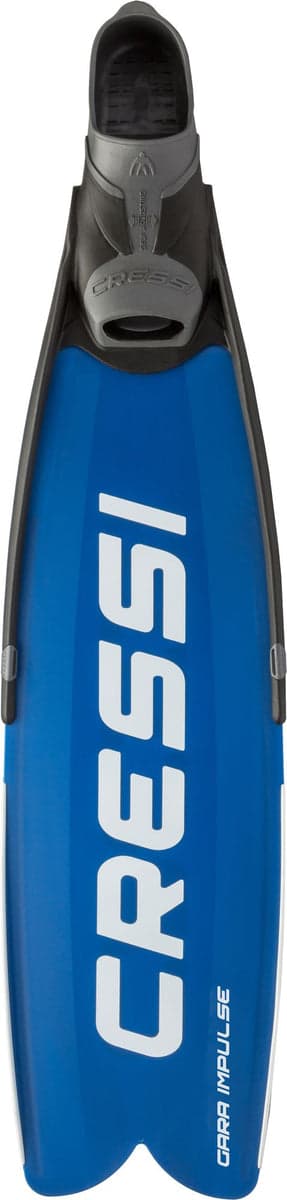
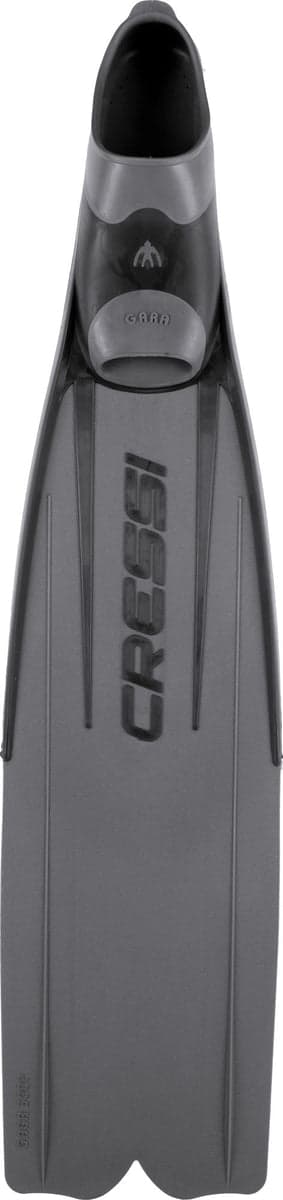
Cressi Gara 3000 LD
Image: Cressi (manufacturer product page, opens in a new tab)

Cressi Gara 3000 LD

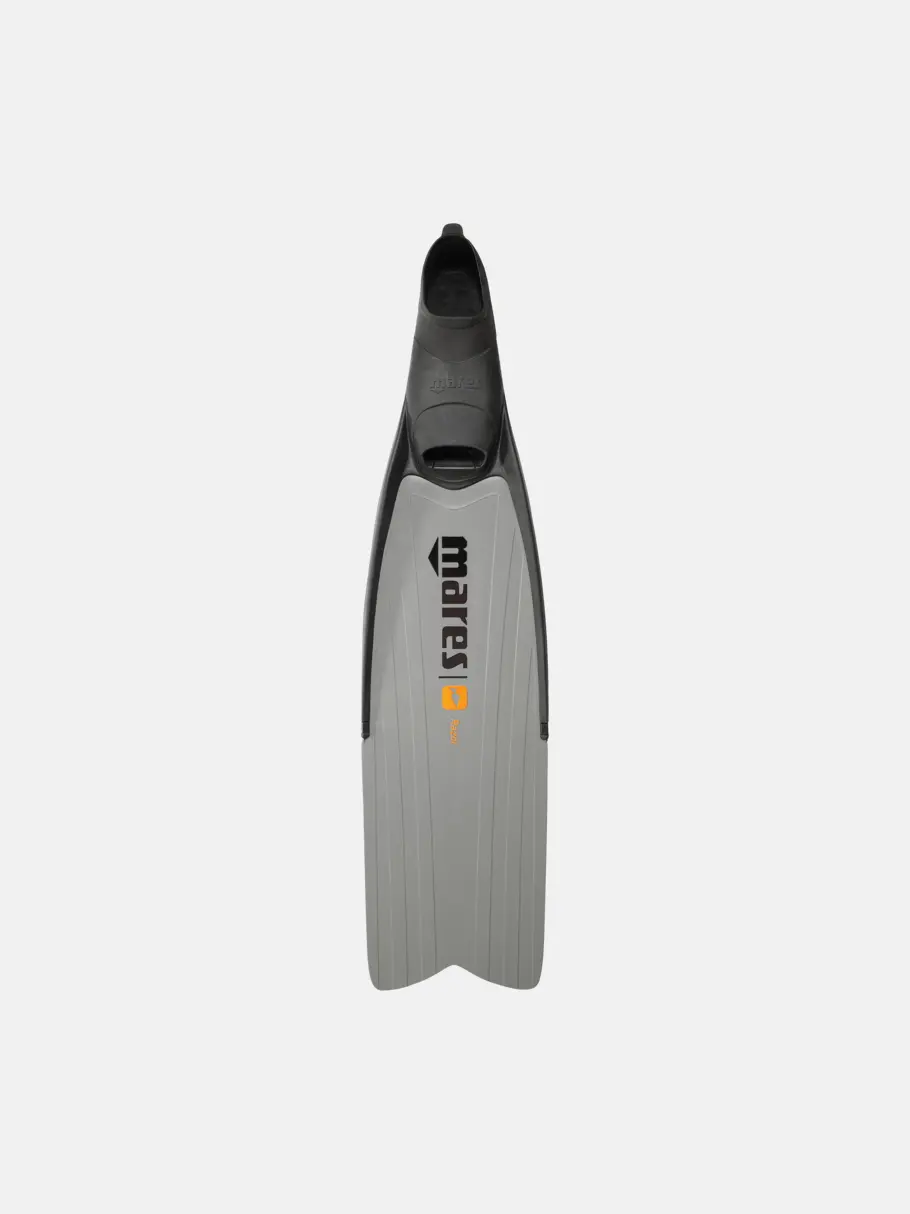
Possibly the most recommended first freediving fin in the world — spearos with far more expensive fins report still diving deep and traveling on their plastic Garas. A long-running technopolymer long-blade design with a moderate flex that suits new divers learning to kick efficiently, widely stocked and durable. One honest fit caveat from the community: Cressi's pockets run narrow, and divers with wider feet report cramping — if that's you, try before you buy or look at the Mares Razor's pocket instead.

Fiberglass — the value upgrade

~$180–360

Lighter and springier than plastic, far tougher than carbon — the committed diver's sweet spot.

Fiberglass long blade~$200–360
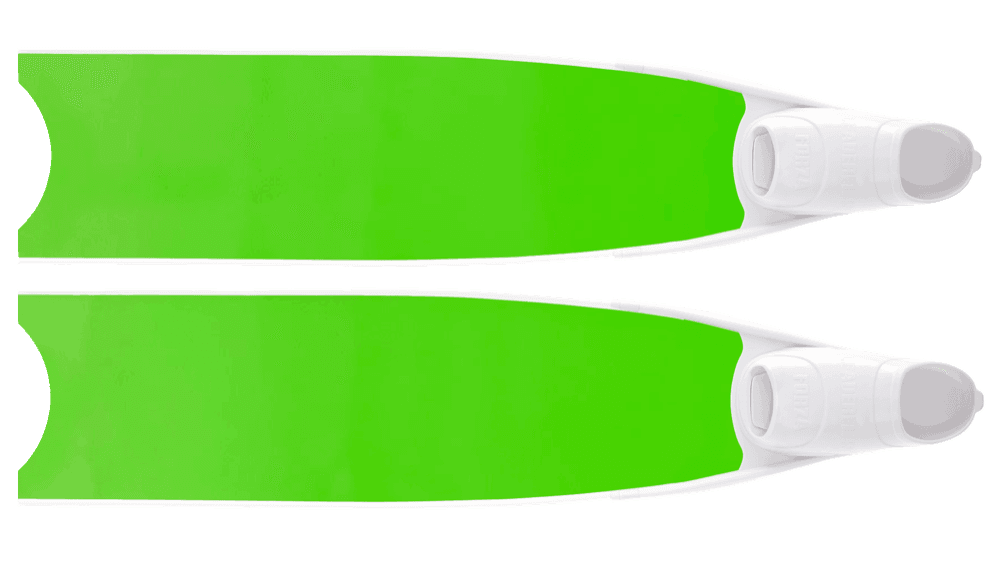
Leaderfins Fiberglass
Image: Leaderfins (manufacturer product page, opens in a new tab)

Leaderfins Fiberglass

Leaderfins is the community's budget-composite value pick, offered in defined soft/medium/hard flexes so you can match stiffness to your weight and depth honestly. Two caveats divers who own them repeat: their flexes run stiff, so order one step softer than you think, and the included foot pockets run soft and loose. Also honest: Leaderfins sells direct from its own site, so Amazon results for it can be thin — fiberglass at this price is still the practical step up for a diver who won't baby their fins.

Carbon — deliberate, not default

~$350–700

The lightest, most efficient blades — for divers who already know their stiffness and will care for them.

Carbon long blade~$400–650
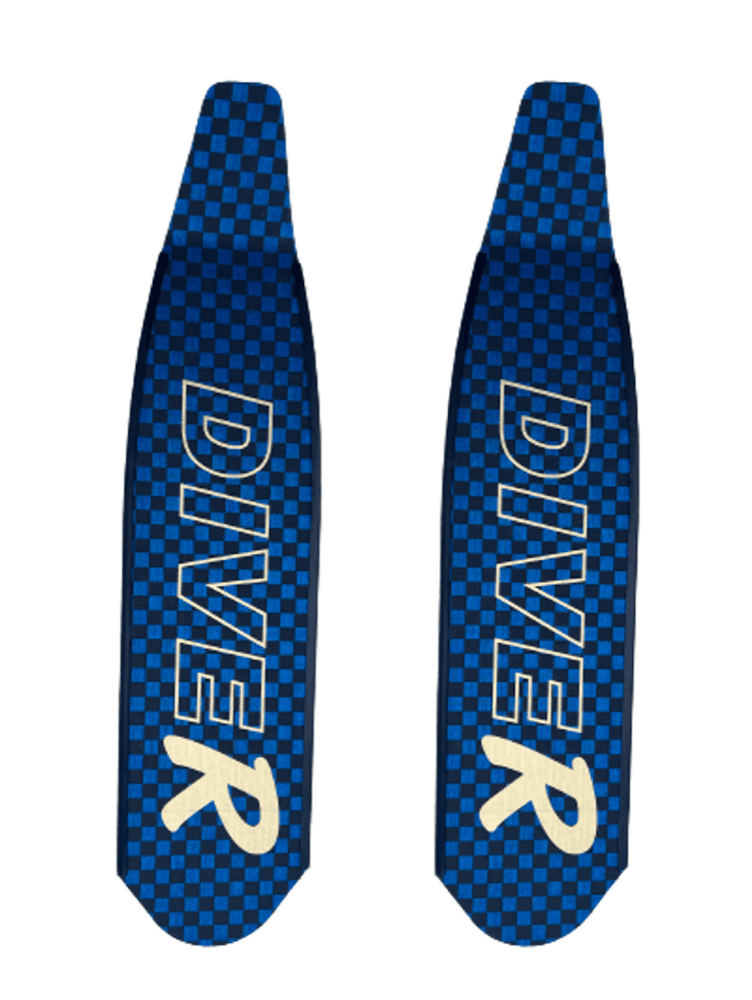
DiveR Carbon Fiber Blades
Image: DiveR (manufacturer product page, opens in a new tab)

DiveR Carbon Fiber Blades

DiveR (Australia) is a long-established name in carbon freediving blades with a strong reputation among experienced spearos for hand-laid quality and consistent flex grades. Superb energy return for deep and long dives — but genuinely overkill for a beginner, and fragile if you clatter it on rock. Honest note: DiveR sells primarily direct via diverfins.com, so treat Amazon results with care. Here for the diver who already knows exactly what stiffness they want.

Carbon · deep freediving~$450–700
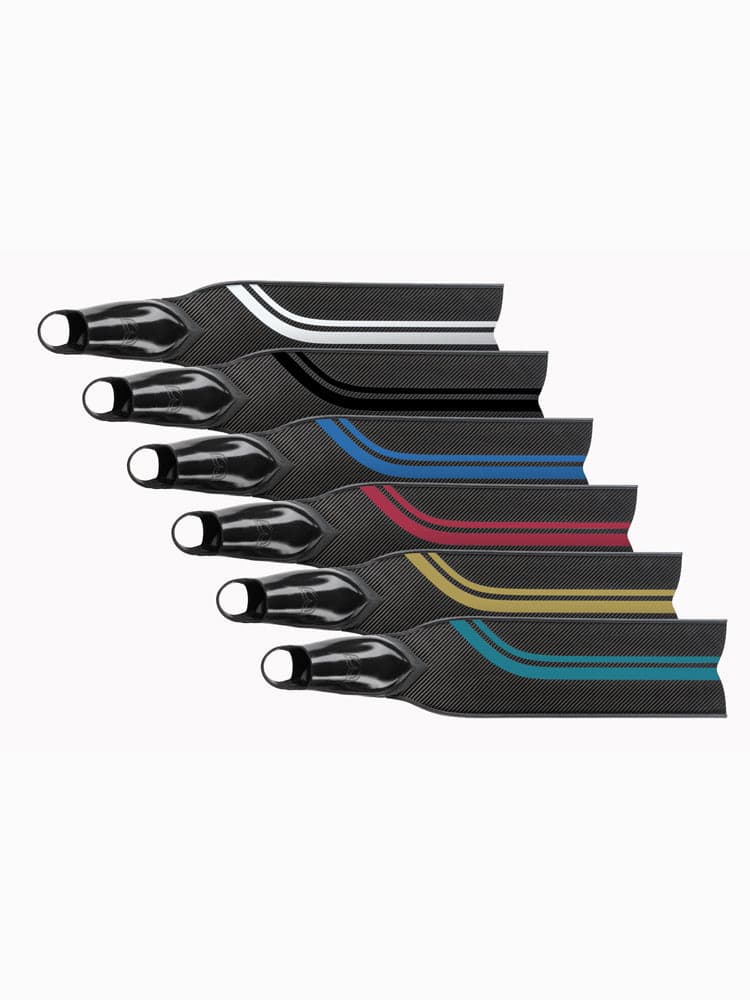
Molchanovs Carbon Blades
Image: Molchanovs (manufacturer product page, opens in a new tab)

Molchanovs Carbon Blades

Molchanovs is a highly respected freediving brand, and its carbon blades are prized for reactive, efficient flex on deep dives — community members also credit its adjustable pockets with fitting feet nothing else fit. This is a performance purchase for a committed diver with dialed technique, not a first fin. Honest note: Molchanovs sells direct at us.molchanovs.com rather than reliably on Amazon. Treat carbon with care in transport and around rock.

Some links are affiliate links — Island Spear Co may earn a commission at no extra cost to you. We only point you to gear with a real reputation among divers — and we tell you plainly we haven’t bench-tested it.

Before you buy

Check your local rules first

The fins are legal — check the fishing

Fins themselves aren't regulated, but where, when, and how you may spearfish absolutely is — seasons, size and bag limits, protected species, and no-take zones all vary by location. Before you head out, read your state's spearfishing regulations so an efficient dive doesn't put you on the wrong side of the rules.

Learn from these

Common beginner mistakes

Buying stiff carbon blades as a beginner

The classic first-fin mistake: paying the most for the stiffest, most fragile blade. Beginners cramp on stiff blades, burn oxygen fighting them, and risk cracking carbon on the first rock. Start with plastic or a soft-to-medium fiberglass blade and earn your way up.

Using scuba fins for spearfishing

Short, wide scuba fins are built for a fast flutter kick with a tank, not efficient breath-hold diving. They tire you out and burn air. Long freediving blades are the point — they're what make hanging on the bottom and stalking fish sustainable.

Getting the foot-pocket size wrong

Freediving pockets are worn over neoprene socks, so a barefoot street-shoe size is usually too small. Too tight causes cramps and cold feet; too loose blisters your heel and can lose a fin in current. Size to fit over the socks you'll actually dive in.

Ignoring stiffness entirely

Two identical-looking blades can be soft or hard, and the difference decides whether you glide or cramp. Buy fins from a maker that publishes flex grades, and match the grade to your weight, suit thickness, and depth — not to what looks fastest.

Treating carbon like plastic

Carbon rewards a good kick but punishes carelessness — a hard step, a rock strike, or a fin left loose in a truck bed can crack it. If you do buy carbon, transport it flat and protected and keep it off the reef.

Quick answers

Frequently asked questions

Do I really need long freediving fins for spearfishing?
For breath-hold spearfishing, yes — long freediving blades are far more efficient than scuba or snorkel fins, so you reach depth and cover ground on less oxygen and move more quietly on the fish. You do not, however, need expensive ones to start. A good plastic long blade is plenty for learning.
What blade stiffness should a beginner choose?
Most beginners are best served by a soft or medium blade. Stiffness should rise with your body weight, leg strength, wetsuit thickness, lead, and depth — but new divers commonly buy too stiff and end up cramping and burning air. When in doubt, go one step softer; you can always stiffen up later, especially with an interchangeable-blade system.
Are carbon fiber fins worth it for beginners?
Usually not. Carbon blades are the lightest and most efficient, but they're expensive and can crack on rock or with careless handling, and their benefits mostly show once you have solid technique and know your preferred stiffness. Start with plastic or fiberglass and move to carbon later if you decide it's worth it.
Plastic, fiberglass, or carbon — what's the real difference?
Plastic is cheapest and toughest but heaviest and least springy — ideal for beginners. Fiberglass is lighter and more efficient while still durable — the value sweet spot for committed divers. Carbon is lightest and most reactive but pricey and fragile — a deliberate performance choice, not a first purchase.
The short version: pick a stiffness that matches your body and water, start in plastic or fiberglass rather than carbon, and make sure the foot pocket fits over your socks. A well-matched blade you can kick relaxed all day will do more for your diving than any spec-sheet bragging rights.

Fins are one piece of the kit — round out the rest with our spearfishing wetsuit guide and freediving mask guide, or start from the top with the beginner spearfishing gear list. And always confirm your state's spearfishing regulations before you dive.