Texas has no phantom-license problem -- the fishing license is real and actively enforced: 'Any person who takes or attempts to take fish... in the public waters of Texas must have a current Texas fishing license with the appropriate endorsement' 2. So license.required is true in both law and practice. The nuance in Texas is not law-vs-practice; it is how severely the state limits what a spear may take.
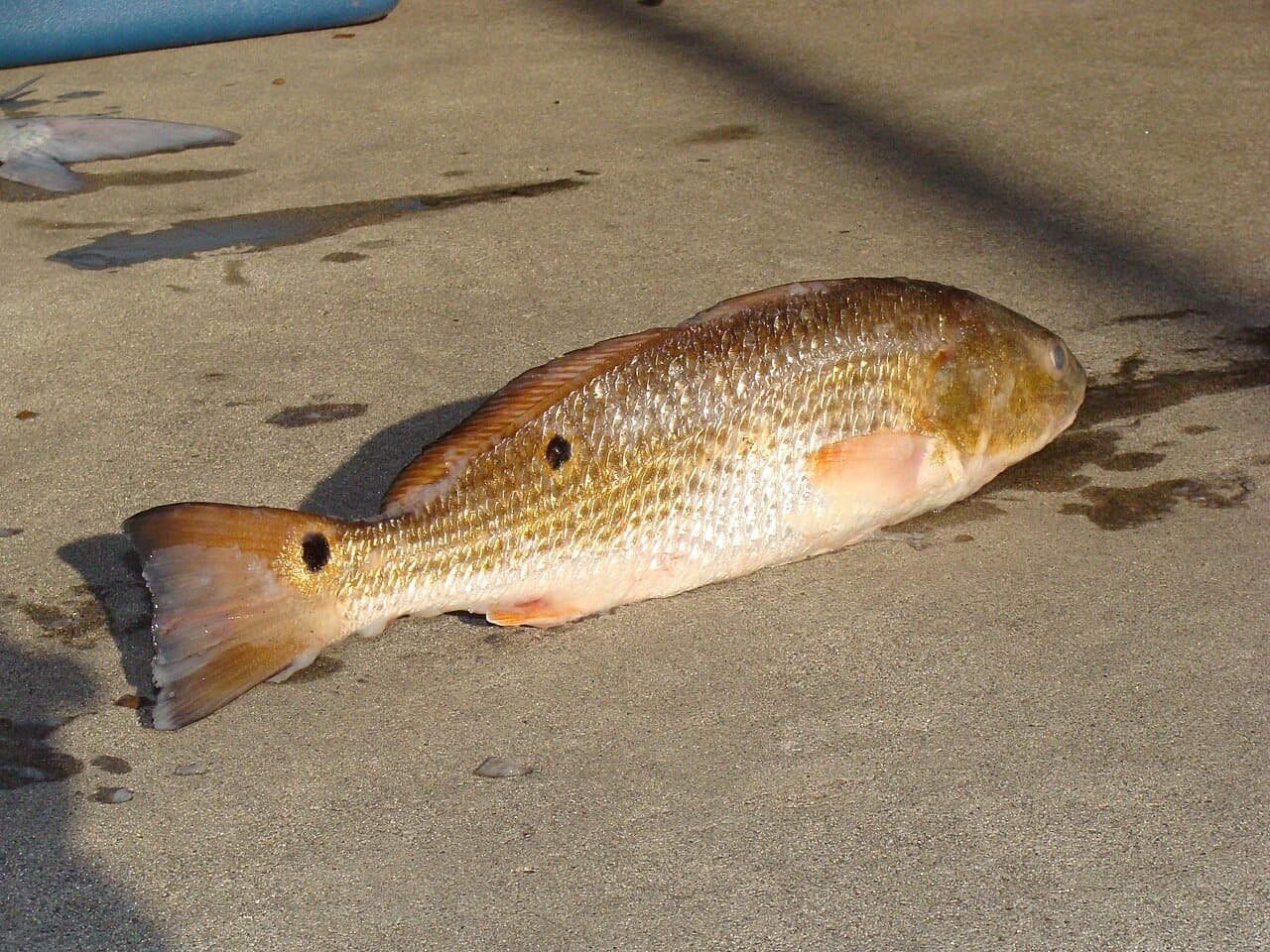
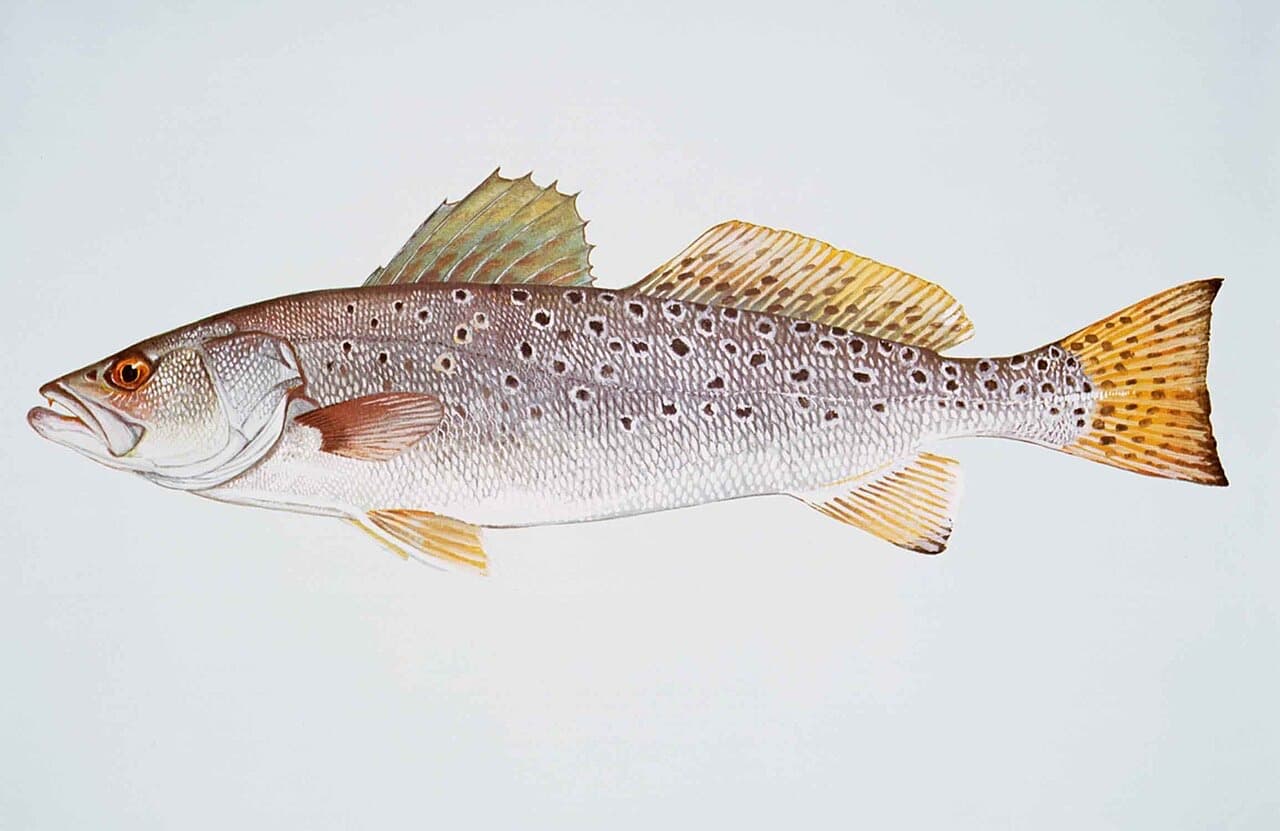
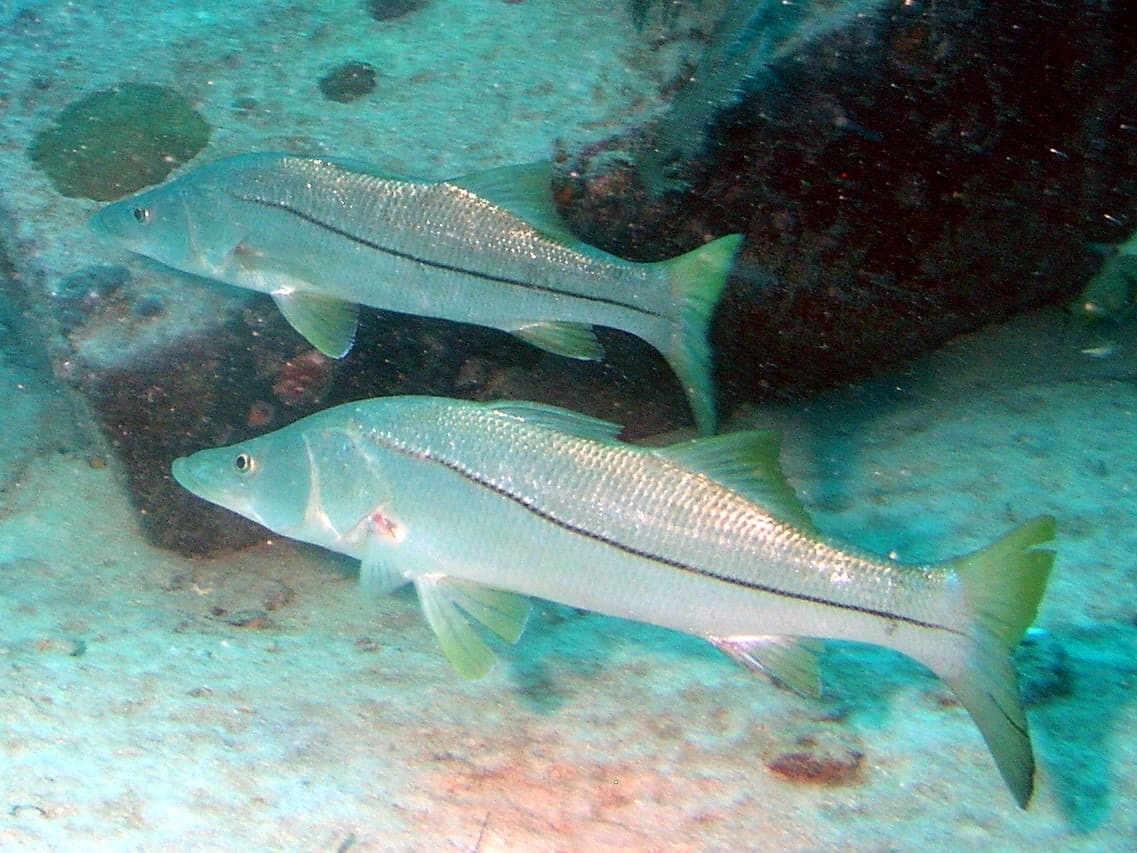
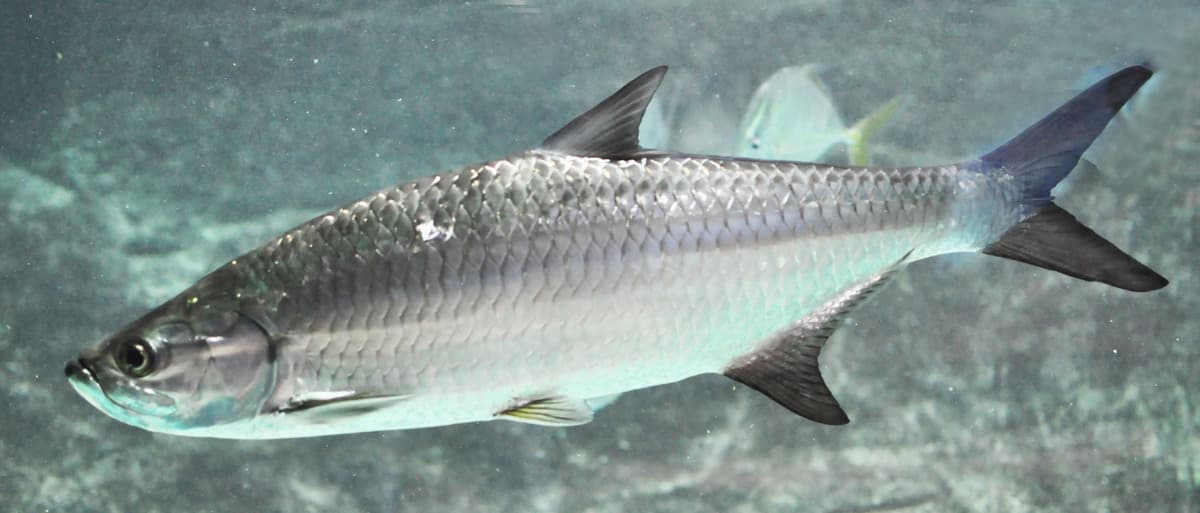
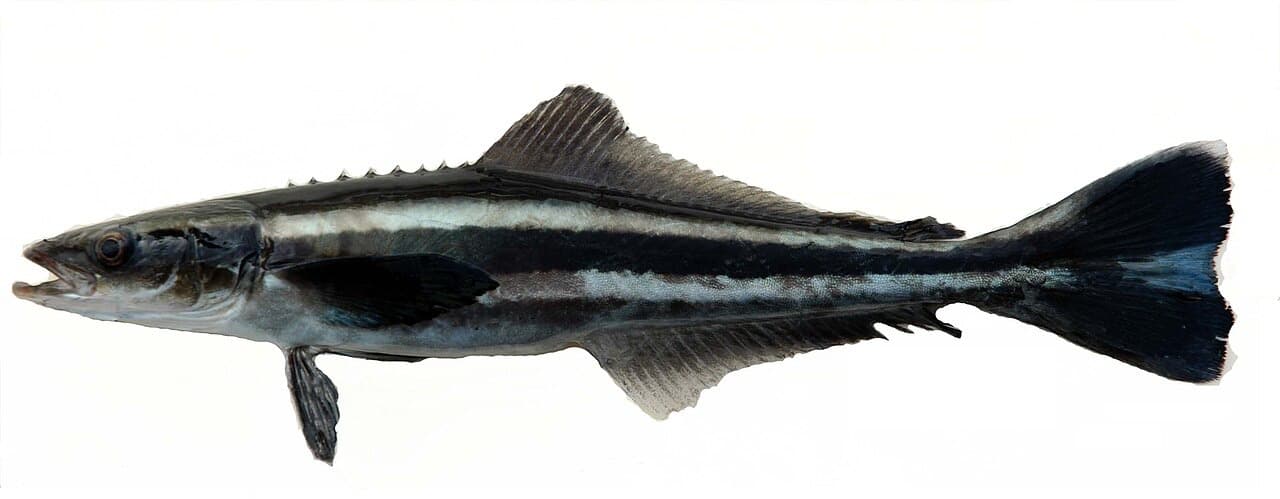
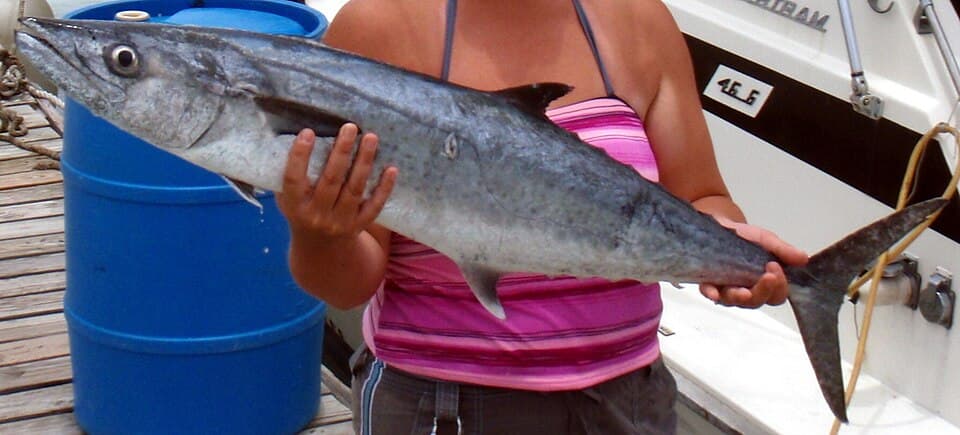
The single fact that governs Texas spearfishing is this: 'Game fish may be taken only by pole and line' 2. Texas then classifies a broad, popular set of species as game fish -- in fresh water all the bass, the big three catfish, crappie, walleye and trout; in salt water red drum, spotted seatrout, snook, tarpon, cobia, the mackerels, sharks, and the offshore billfish/pelagics. Because a spear, speargun, or gig 'may be used to take nongame fish only' 1, every one of those species is legally untouchable with a spear anywhere in the state. A visiting spearo expecting to shoot redfish or speckled trout the way they might in some other Gulf states will be breaking the law.
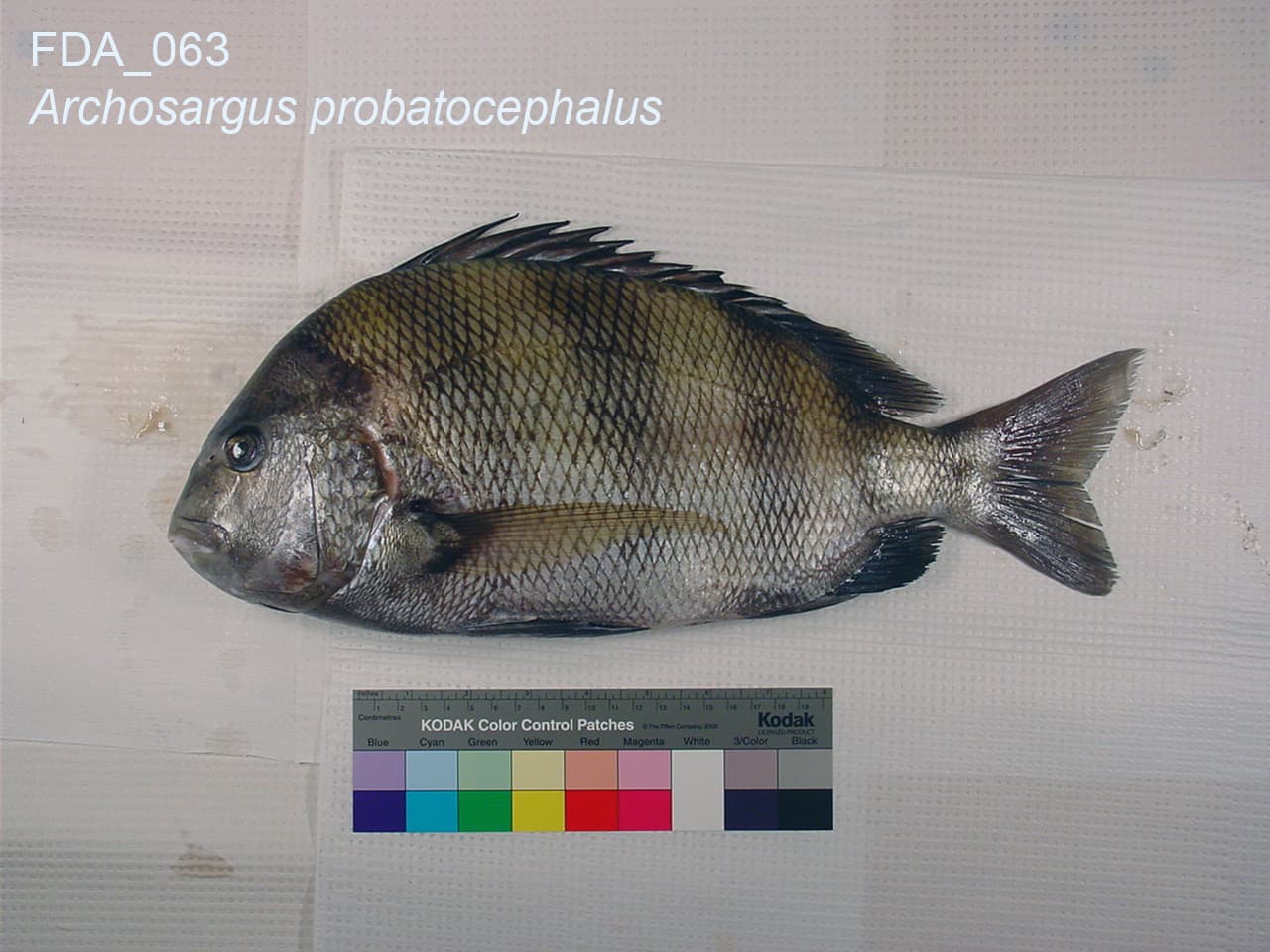
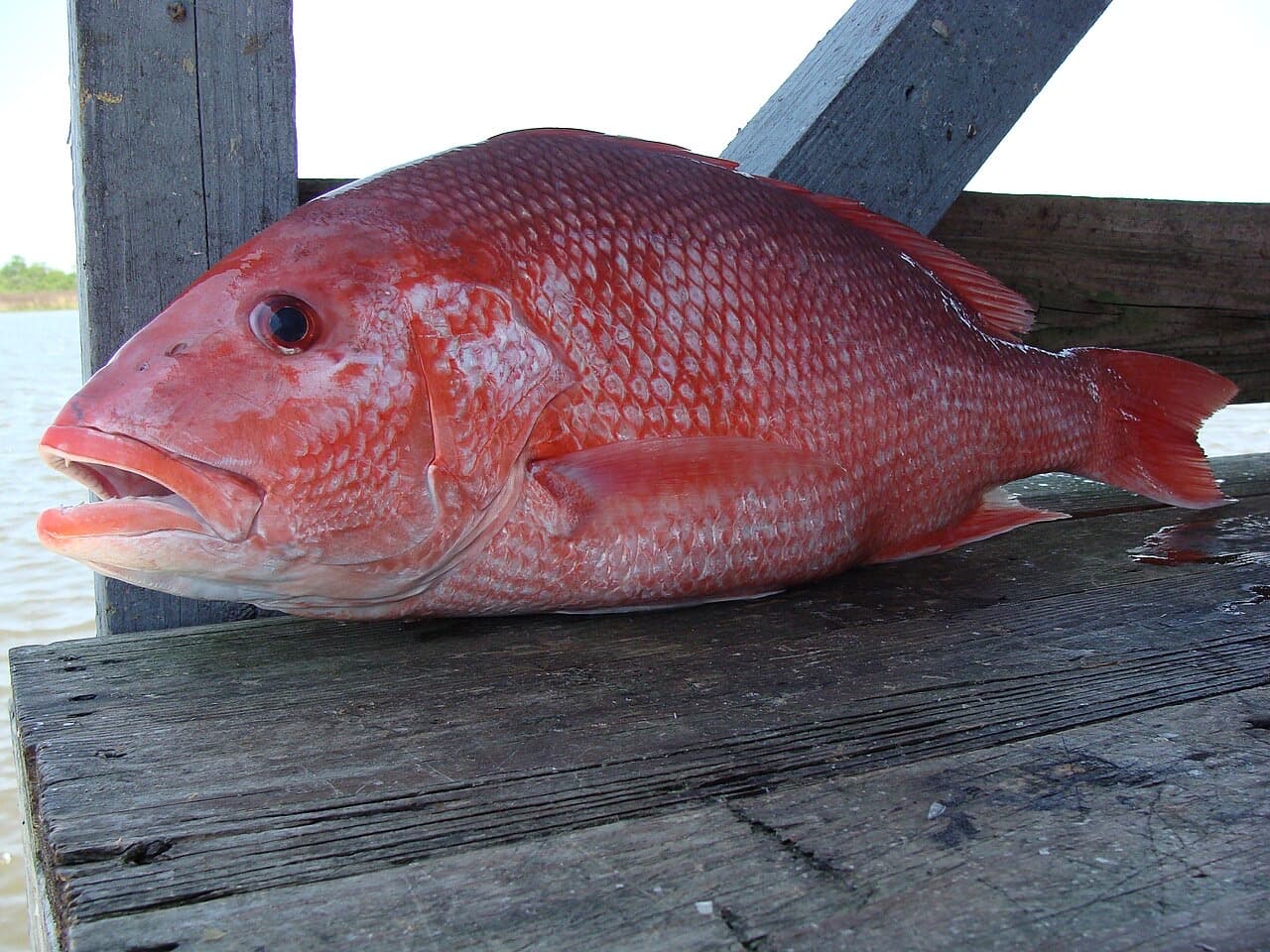
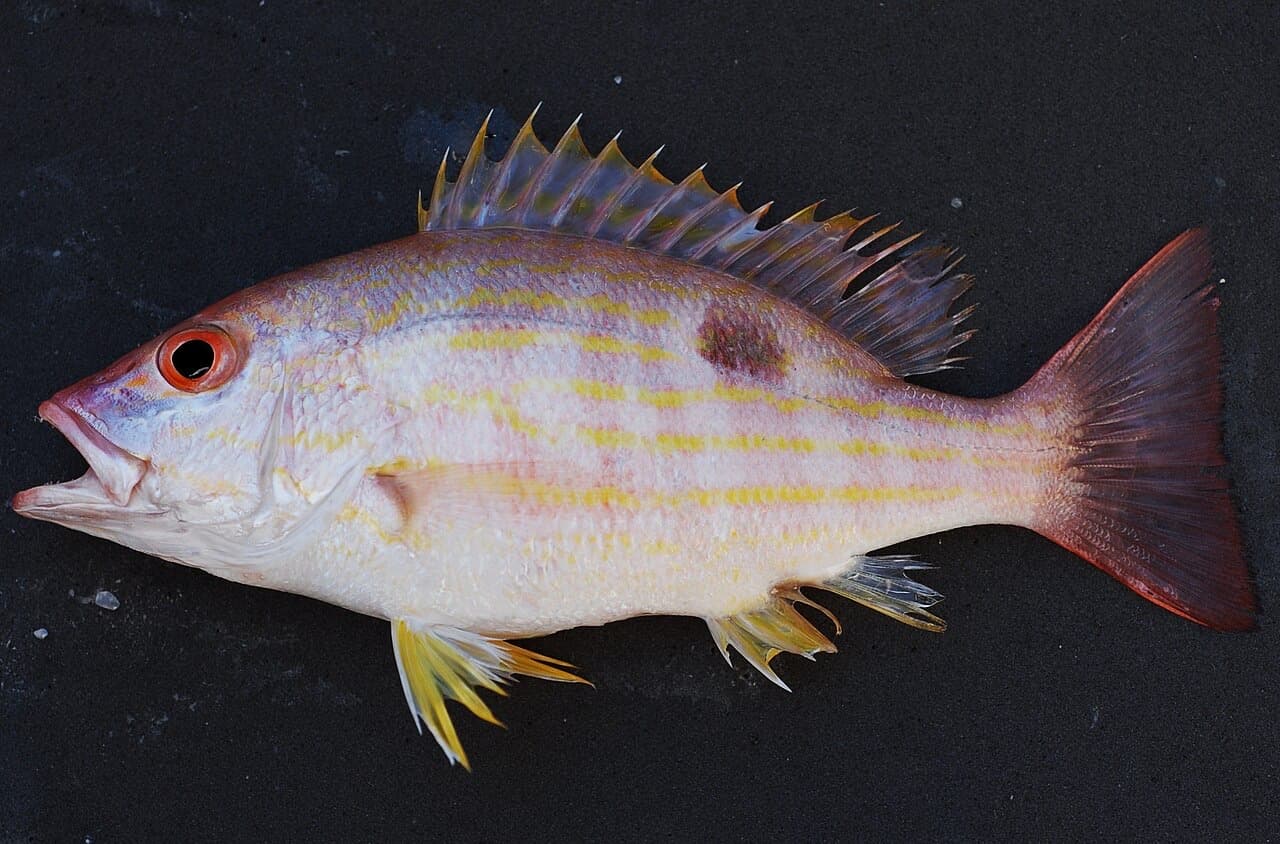
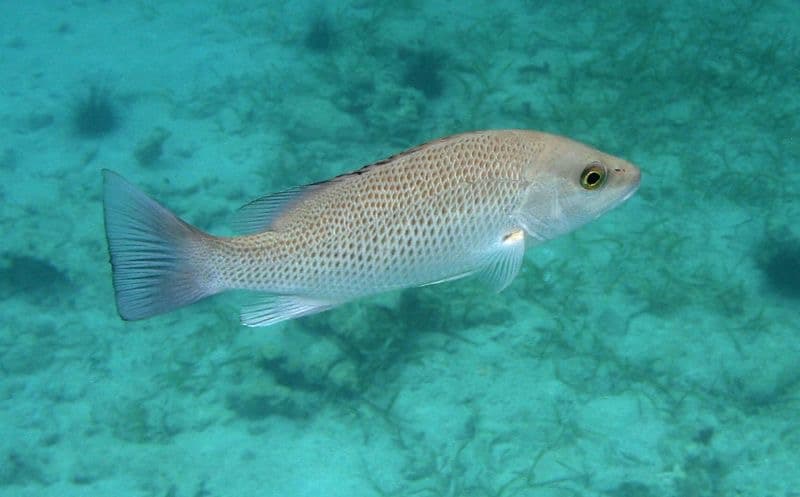
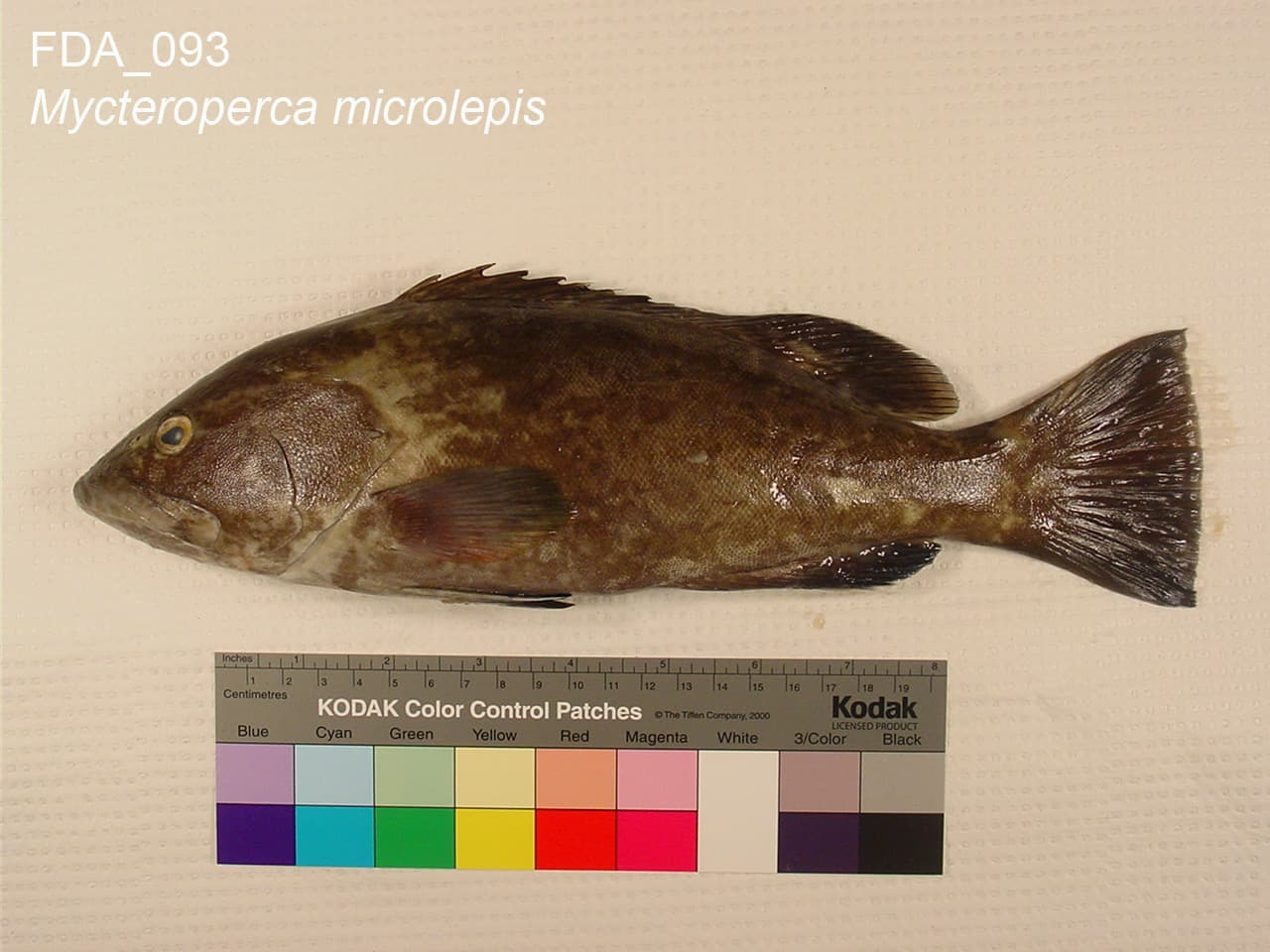
What is left is nongame -- 'all species not listed as game fish' 6. In salt water that means flounder (Texas's famous gigging target), sheepshead, black drum, mullet, and saltwater catfish, plus snappers and groupers, which are simply absent from the game-fish list and therefore nongame (though they carry their own size/bag limits and offshore federal rules, so treat them carefully). In fresh water it means gar (including alligator gar, capped at one per day), carp, buffalo, bowfin, drum and tilapia. One easy trap: the 'nongame in salt water for bait purposes only' line that people repeat is a cast-net / dip-net / seine rule -- it is NOT in the spear entry, so nongame fish you spear in salt water are yours to keep for the table 1. Another: any edible or bait-usable fish you take (all gar, carp, buffalo) may not be thrown back 3.