North Carolina has no phantom-license problem — both licenses are real, issued through Go Outdoors North Carolina, and enforced. The nuance here is jurisdictional. The state draws a firm line between salt/coastal/joint waters (managed by the NC DEQ Division of Marine Fisheries) and inland fresh waters (managed by the Wildlife Resources Commission), and the two treat spearfishing very differently.
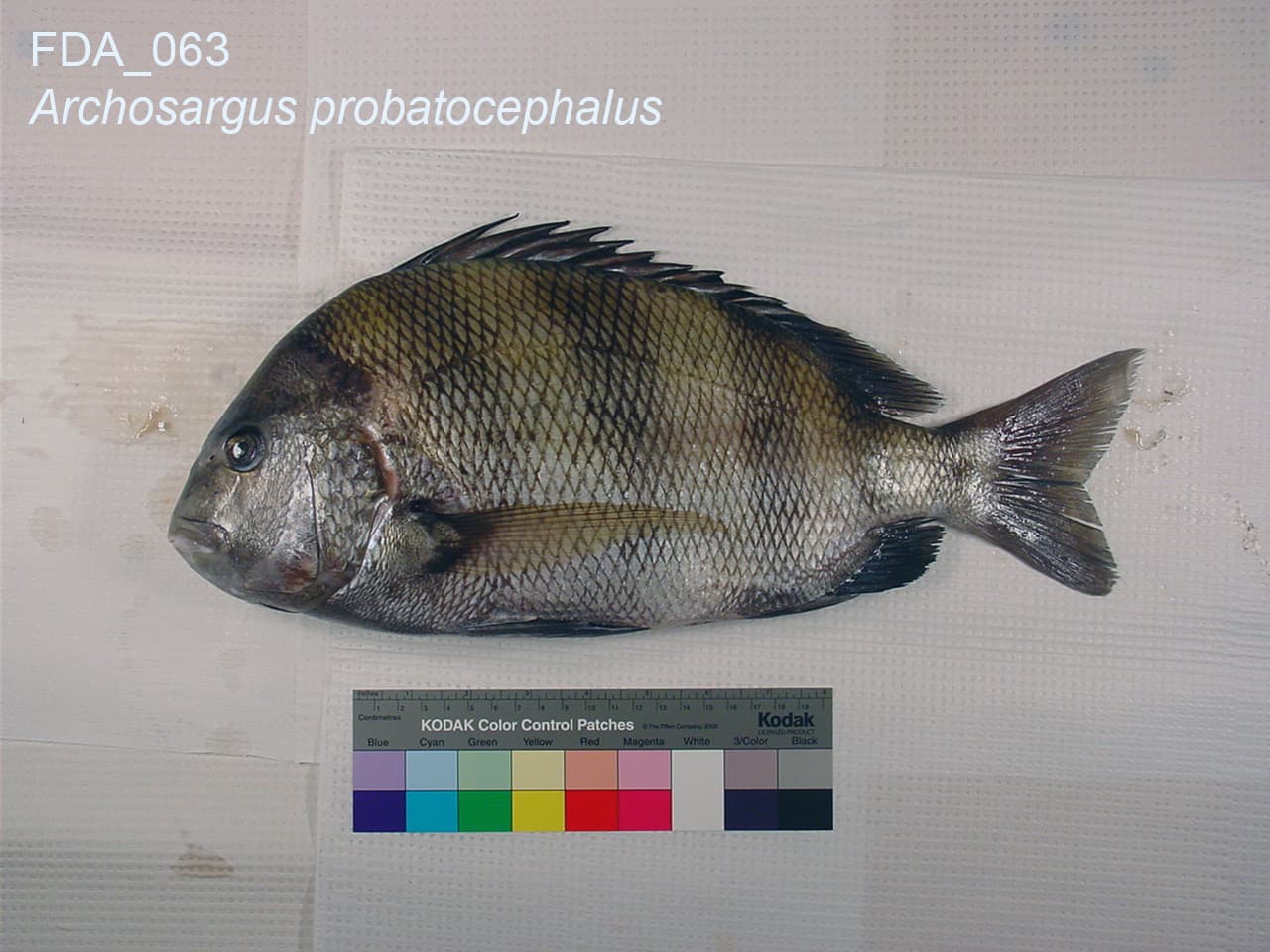
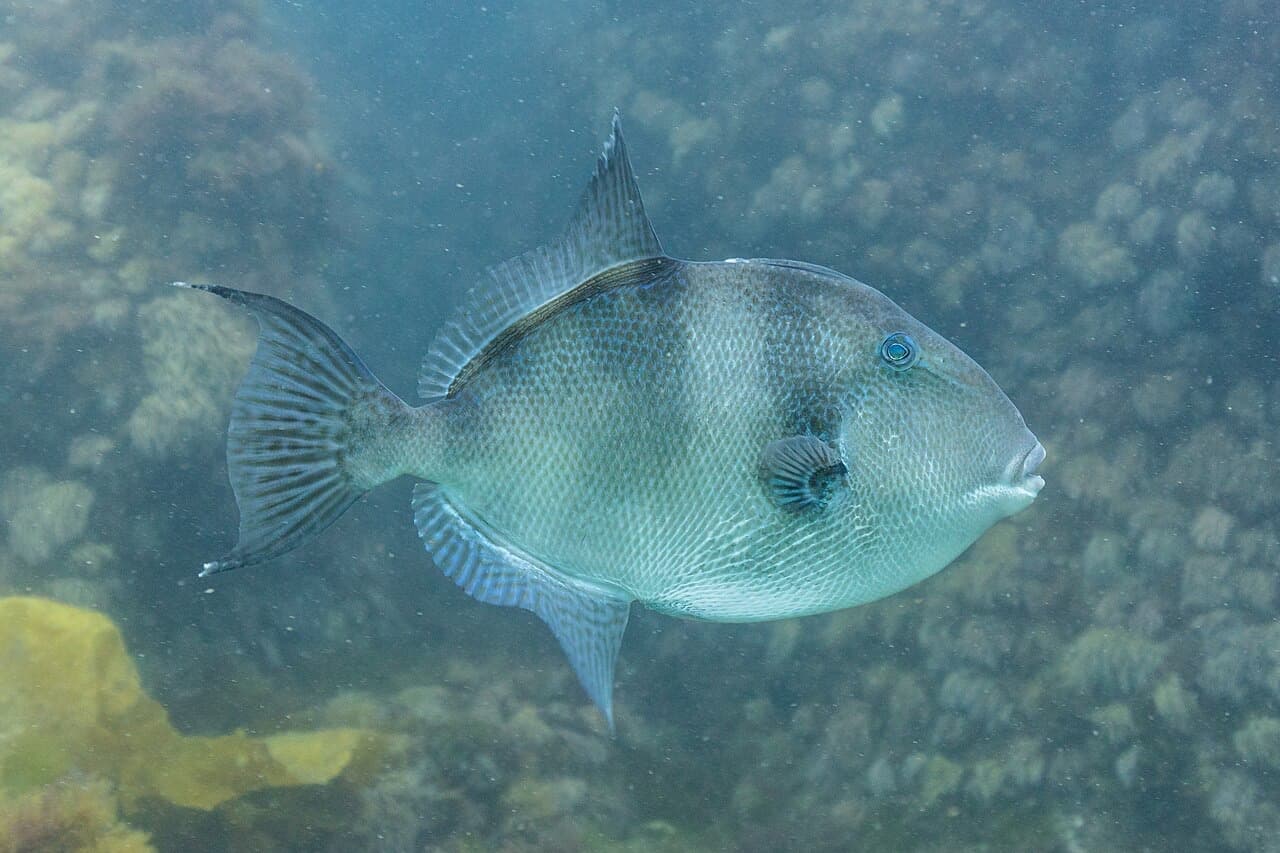
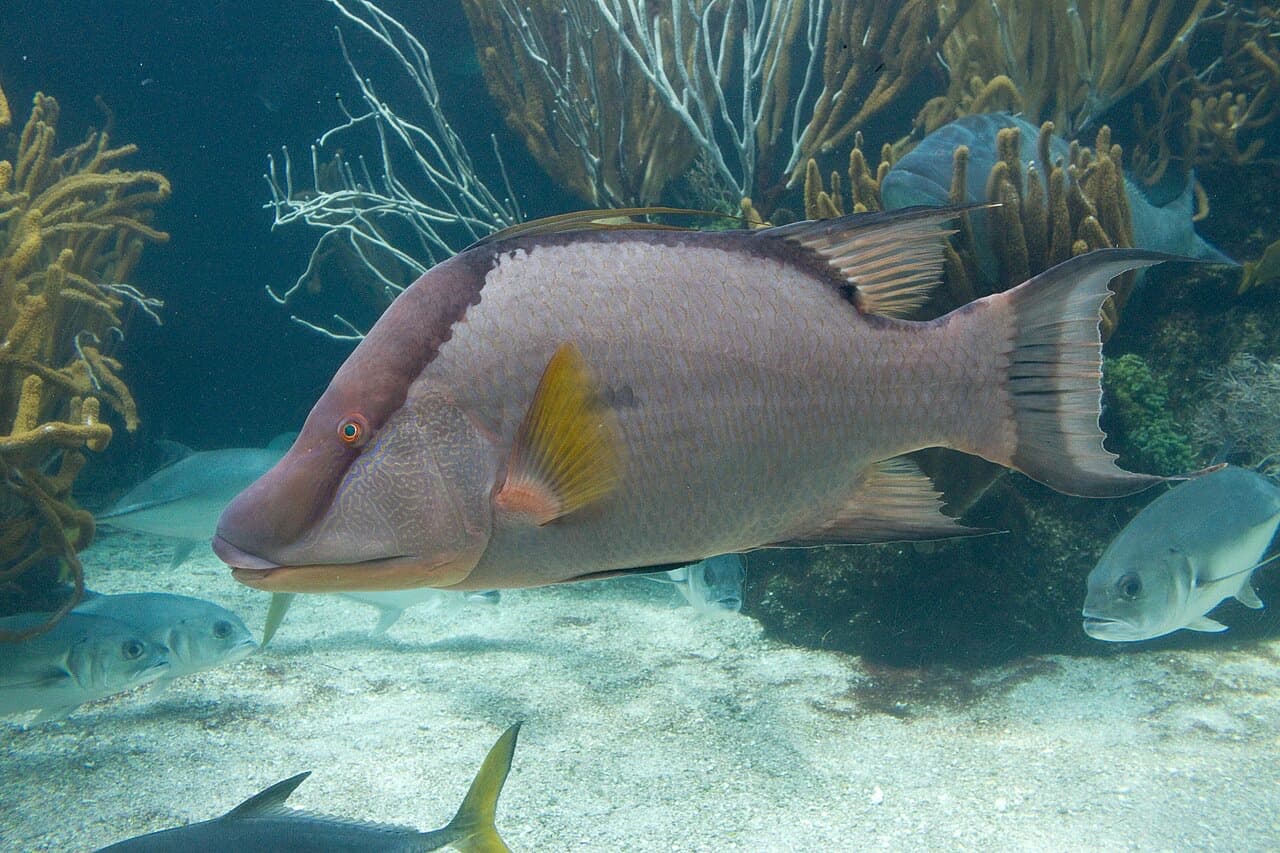
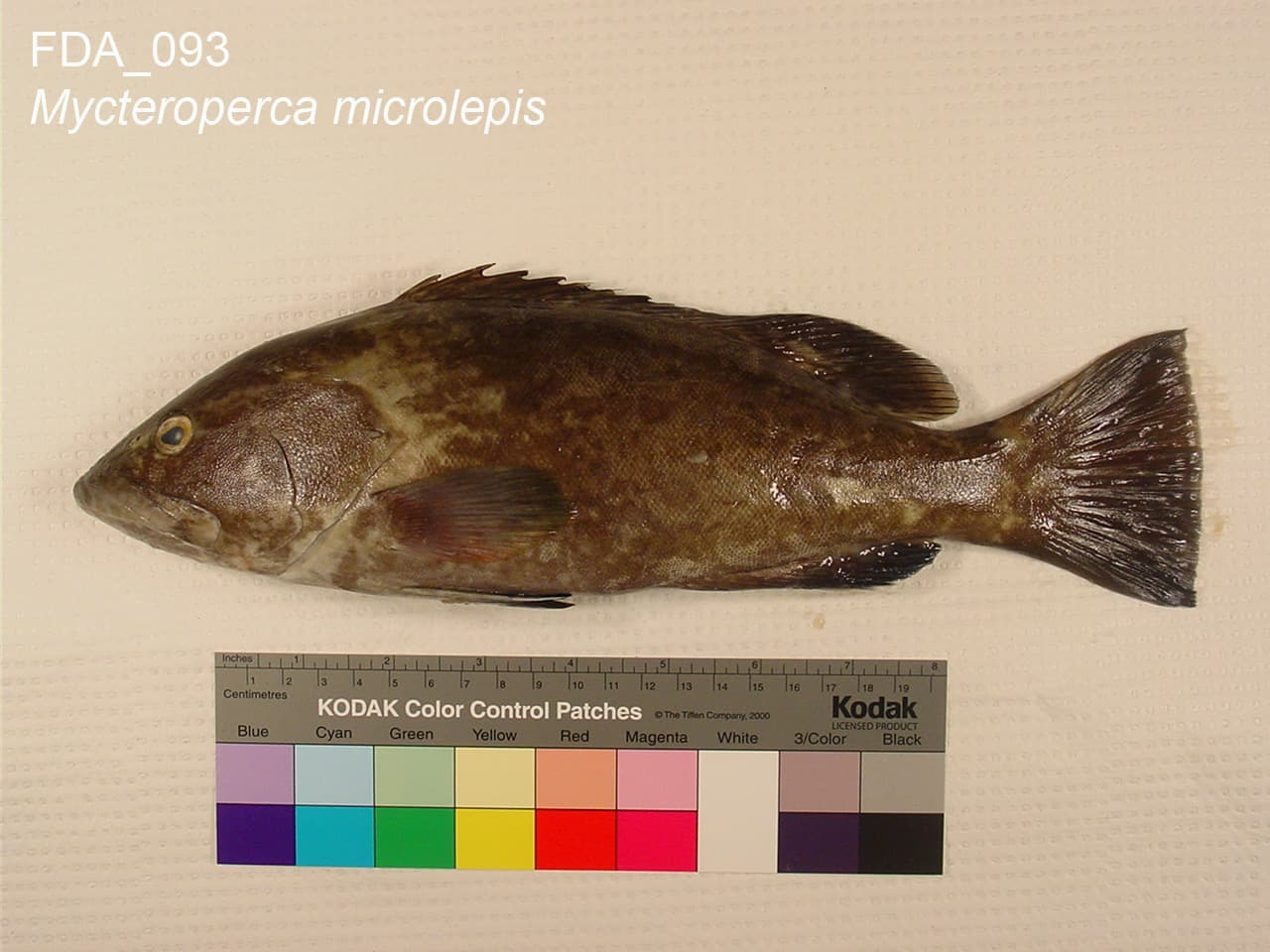
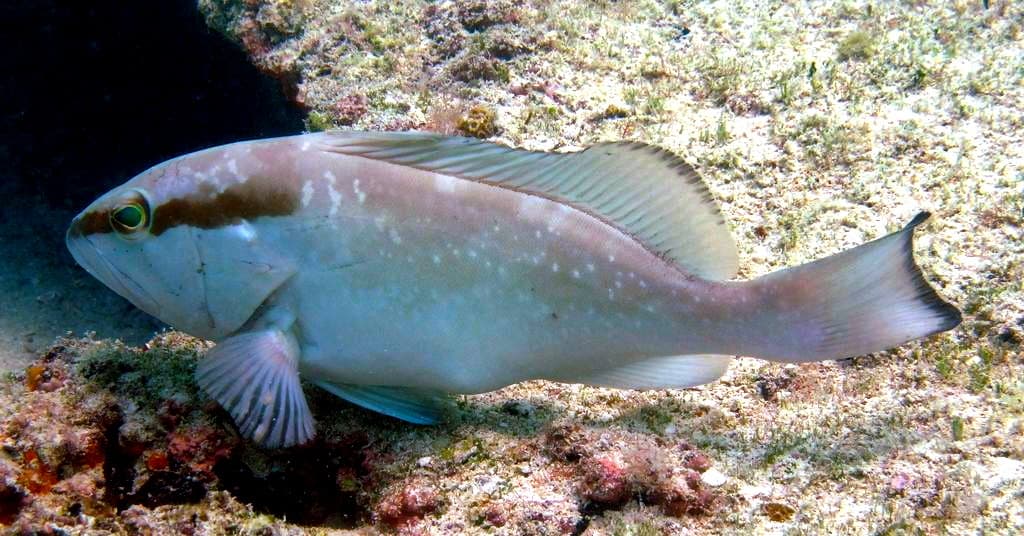
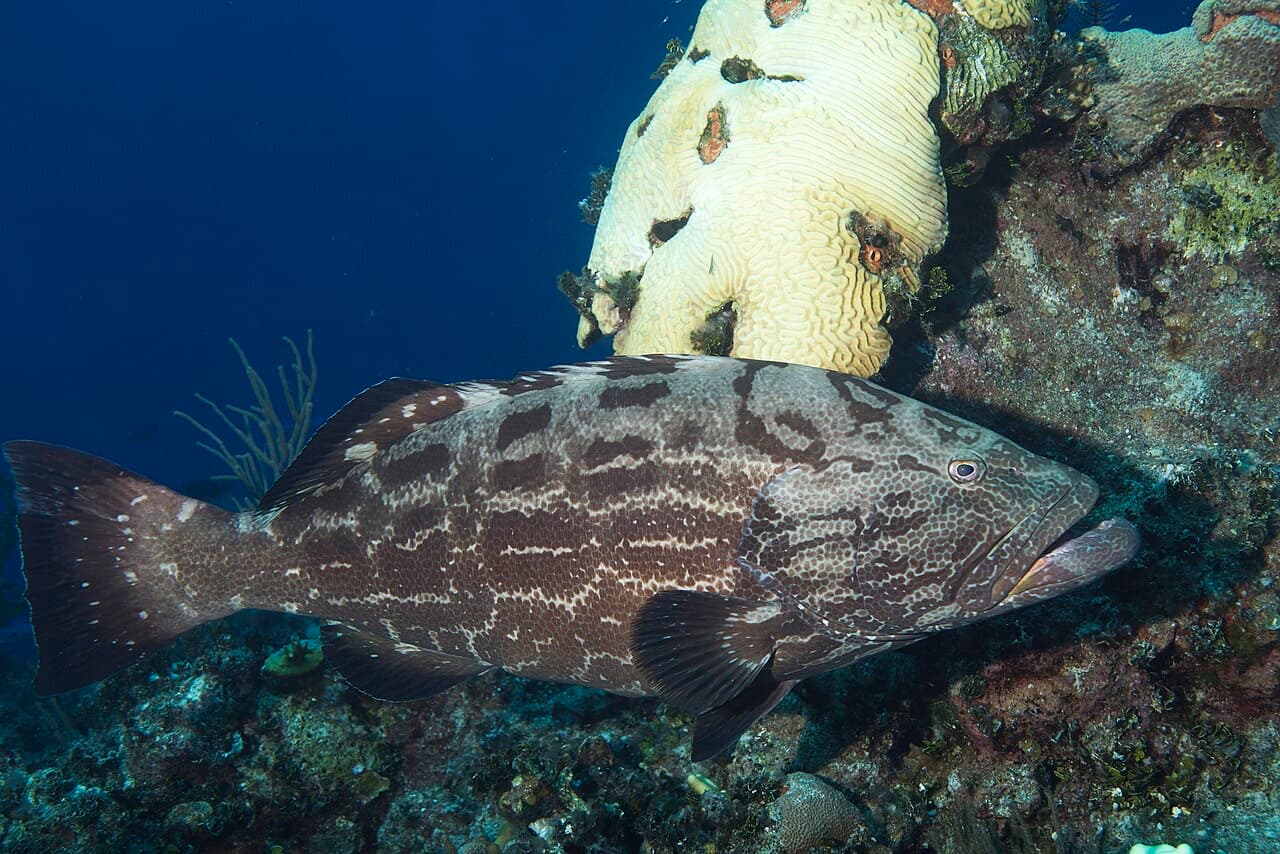
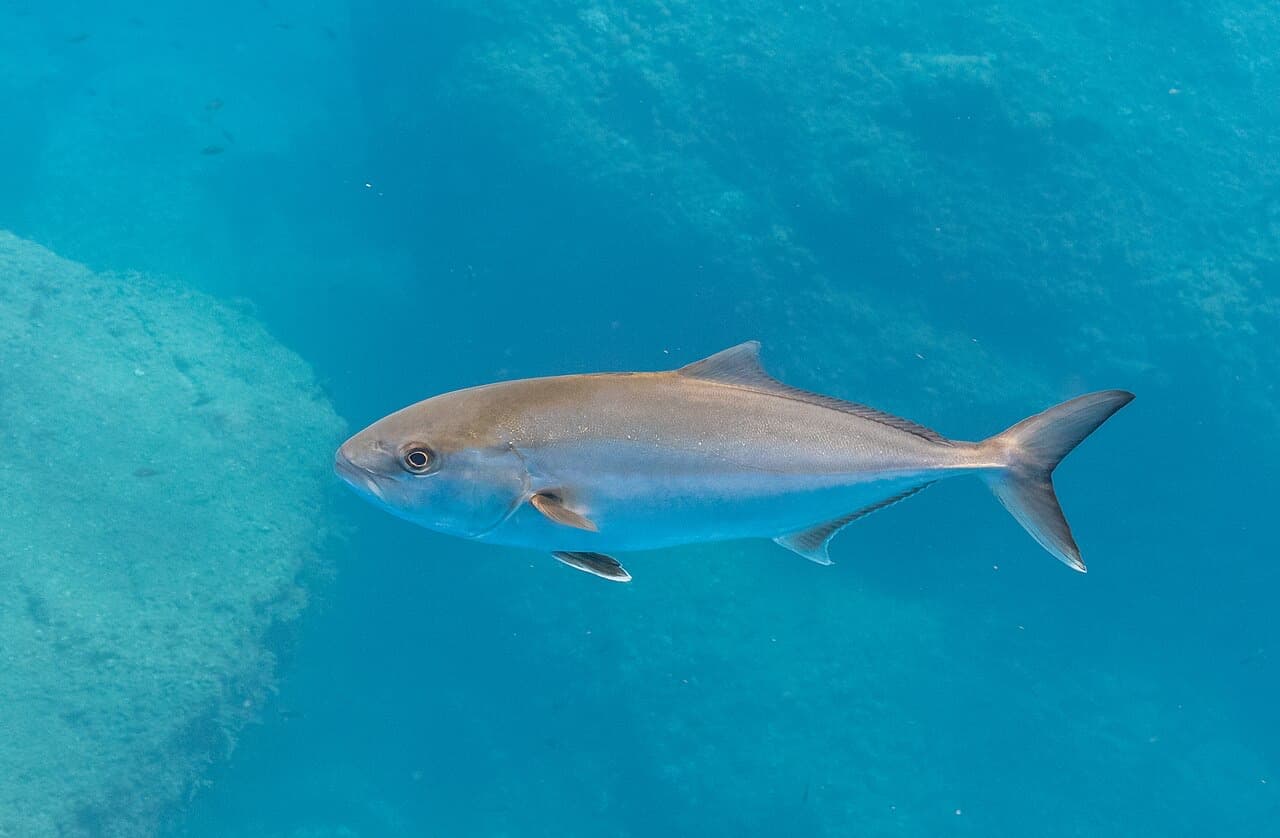
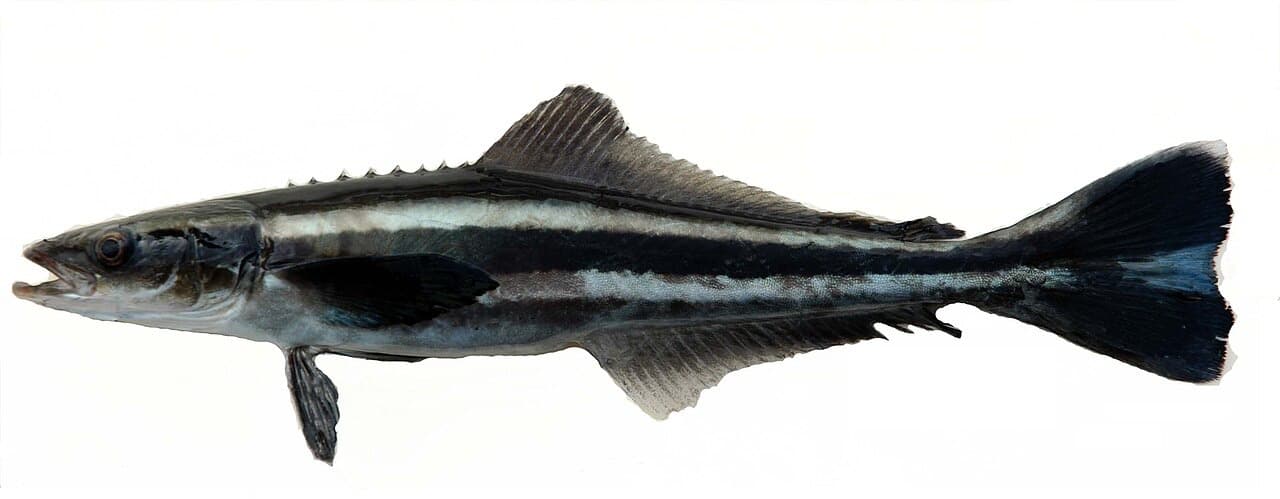
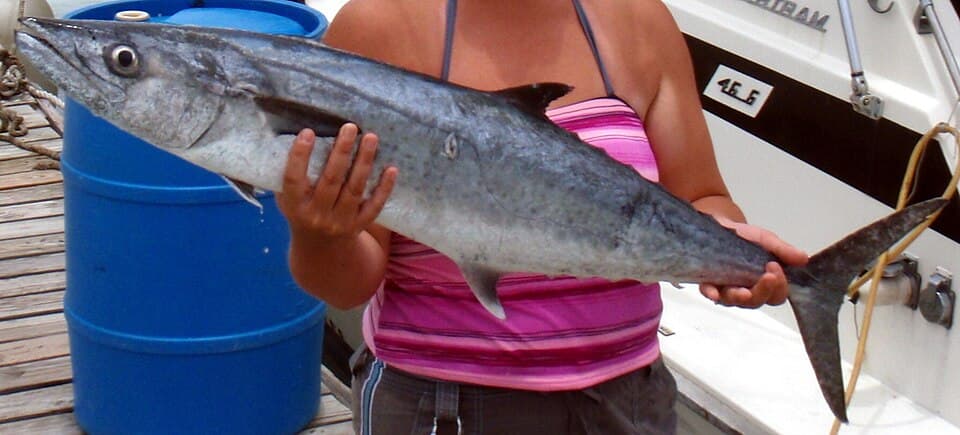
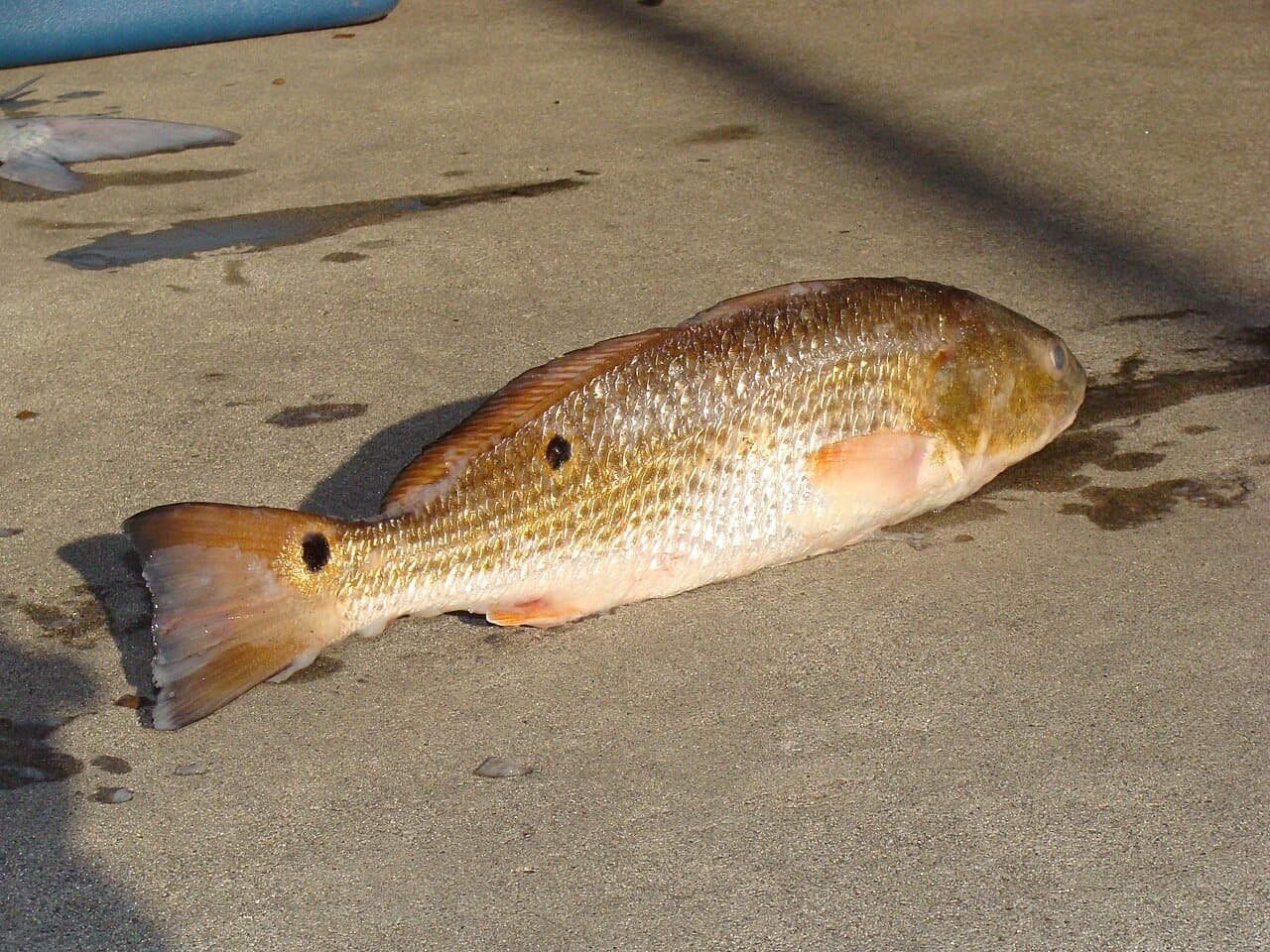
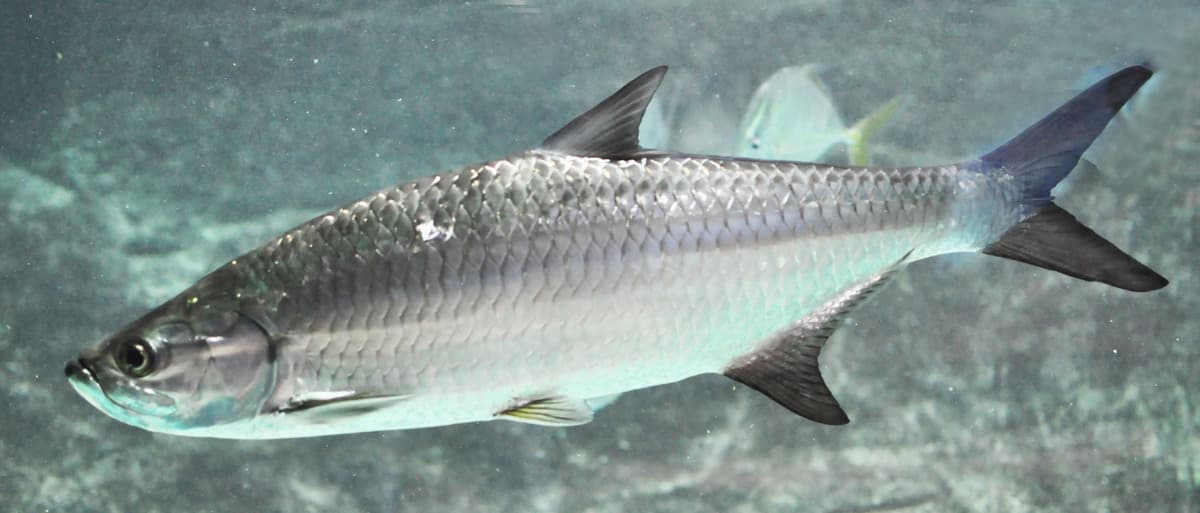
In SALT water the state is genuinely spearfishing-friendly. The DMF's own guide answers 'Is it legal to spear fish? Yes, both above and below the surface,' and its definition of a 'spear' explicitly names Hawaiian slings and band/pneumatic devices. A Coastal Recreational Fishing License (age 16+) lets you spear or gig most finfish under the normal size and bag limits. The hard 'no' list is short but strict: red drum, sharks (rod/reel or handline only), striped bass, tarpon, spiny lobster, American lobster and stone crabs — plus anything out of season. Even Cape Hatteras and Cape Lookout National Seashore waters are open to spearing.
In FRESH water the state flips: under NCWRC rules, inland GAME fish may be taken only with a hook and line, so it is illegal to spear, gig or bowfish any bass, trout, crappie, sunfish, walleye, muskellunge, striped bass, white catfish or bullhead in inland waters. What you CAN spear, gig or bowfish inland is NONGAME/rough fish (carp, suckers, gar, bowfin, and — importantly for bowfishers — blue, channel and flathead catfish, which are nongame in NC), and even that is fenced by a Public Mountain Trout Waters ban, county/season limits, a few closed impoundments, and a Special Fishing Device License for certain gigging and bow-net methods. The single biggest mistake a visiting diver could make is treating an inland reservoir like the ocean — the gear that is perfectly legal offshore is illegal on most game fish in a lake or river.