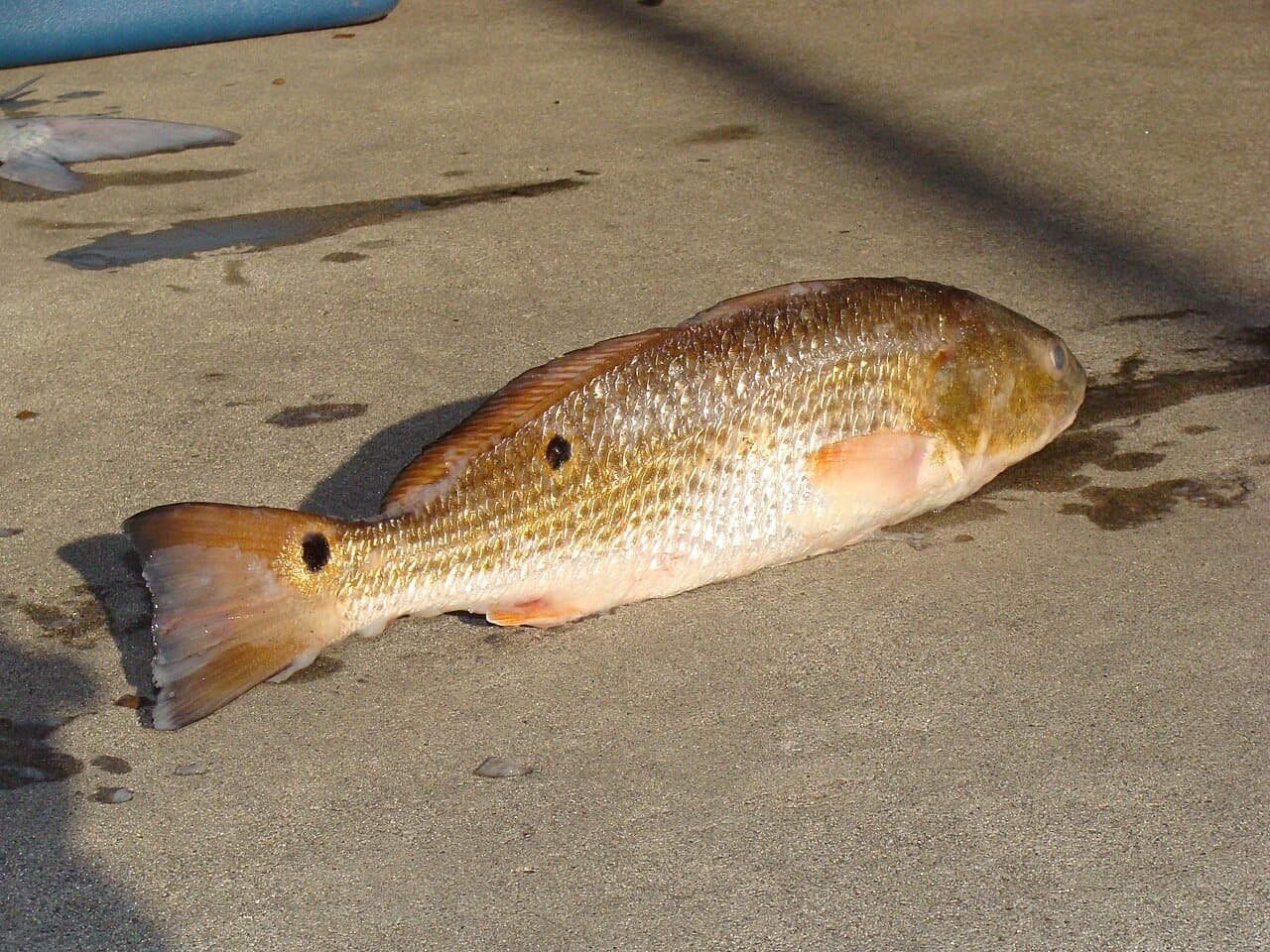
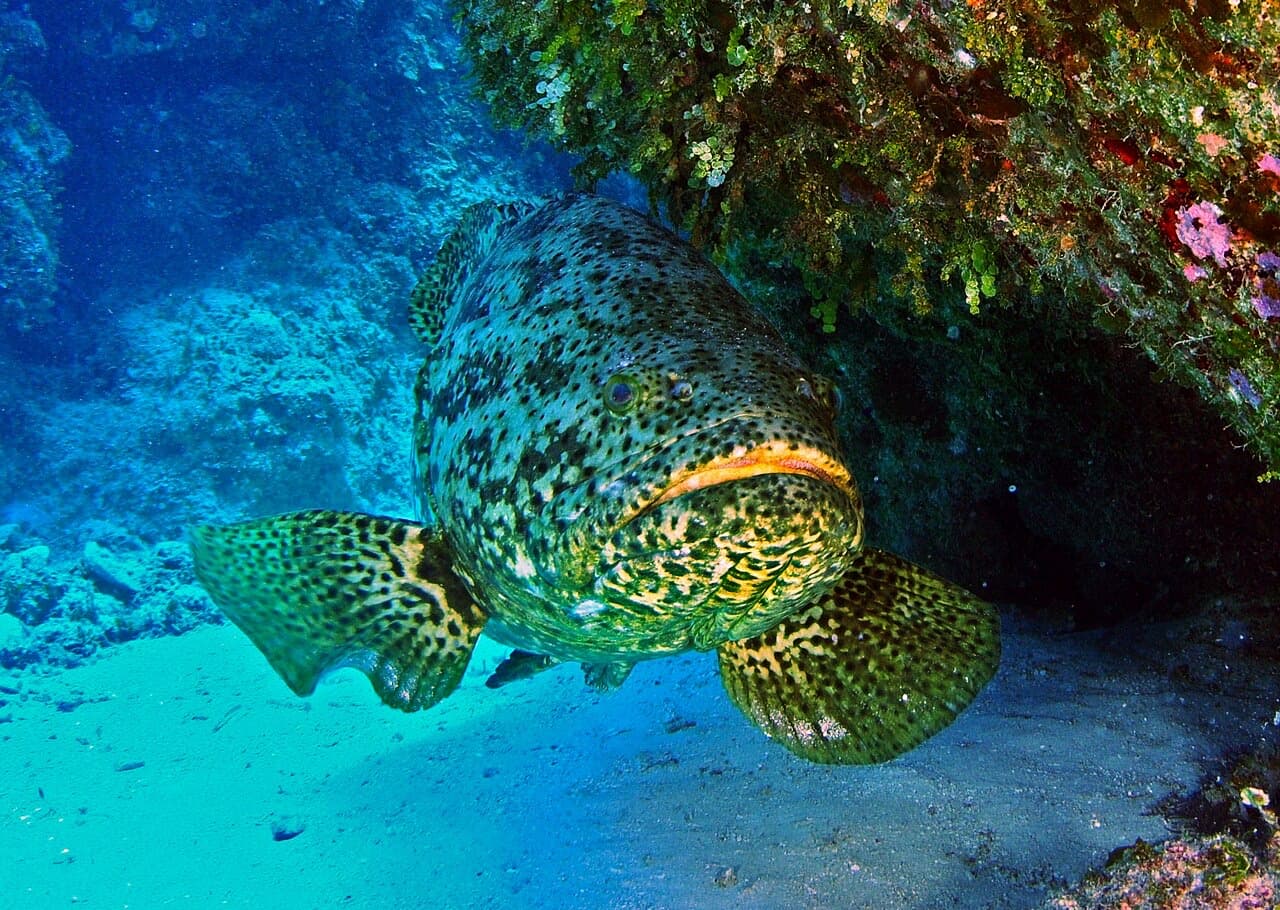
Georgia has no phantom-license problem — the interesting nuance is jurisdictional and species-based, not law-vs-practice on paperwork. The license is real and enforced: a fishing license is required to spear in fresh water (O.C.G.A. § 27-4-33(c)), and a fishing license plus a free Saltwater Information Program (SIP) permit is required for anyone 16+ in salt water. The SIP being free does NOT make it optional. (s1, s5, s7)
In FRESH water, Georgia is restrictive. Under § 27-4-33 you may spear only nongame fish, and only 'solely for the purpose of sport' while you are 'completely submerged.' Every game fish is off-limits to a spear, and so is every catfish — with exactly one carve-out: channel and flathead catfish in the Savannah River basin, which may be speared day or night by light with a barbed, line-attached spear. Spears may not have poisonous or exploding heads, and you may not fire a spear within 150 feet of anyone else recreating. If a warden finds a game fish with an open spear wound in your bag, that alone is prima-facie evidence you took it illegally. (s1, s2)
In SALT water, Georgia is permissive by comparison. The Coastal Resources Division applies all the normal saltwater finfish rules — seasons, size limits, creel limits — 'regardless of the gear used,' which means spearfishing is a legitimate way to take saltwater finfish subject to those limits. Georgia's showpiece for divers is its offshore artificial-reef system: the 19 reefs beyond 3 miles are federal Special Management Zones where gear is deliberately restricted to handline, rod & reel, and spearfishing gear (including powerheads), effectively reserving those reefs for hook-and-line anglers and spearos. The two things you cannot do with a spear in salt water are take sharks (hook-and-line only) and use a gig on anything but flounder. (s4, s5)